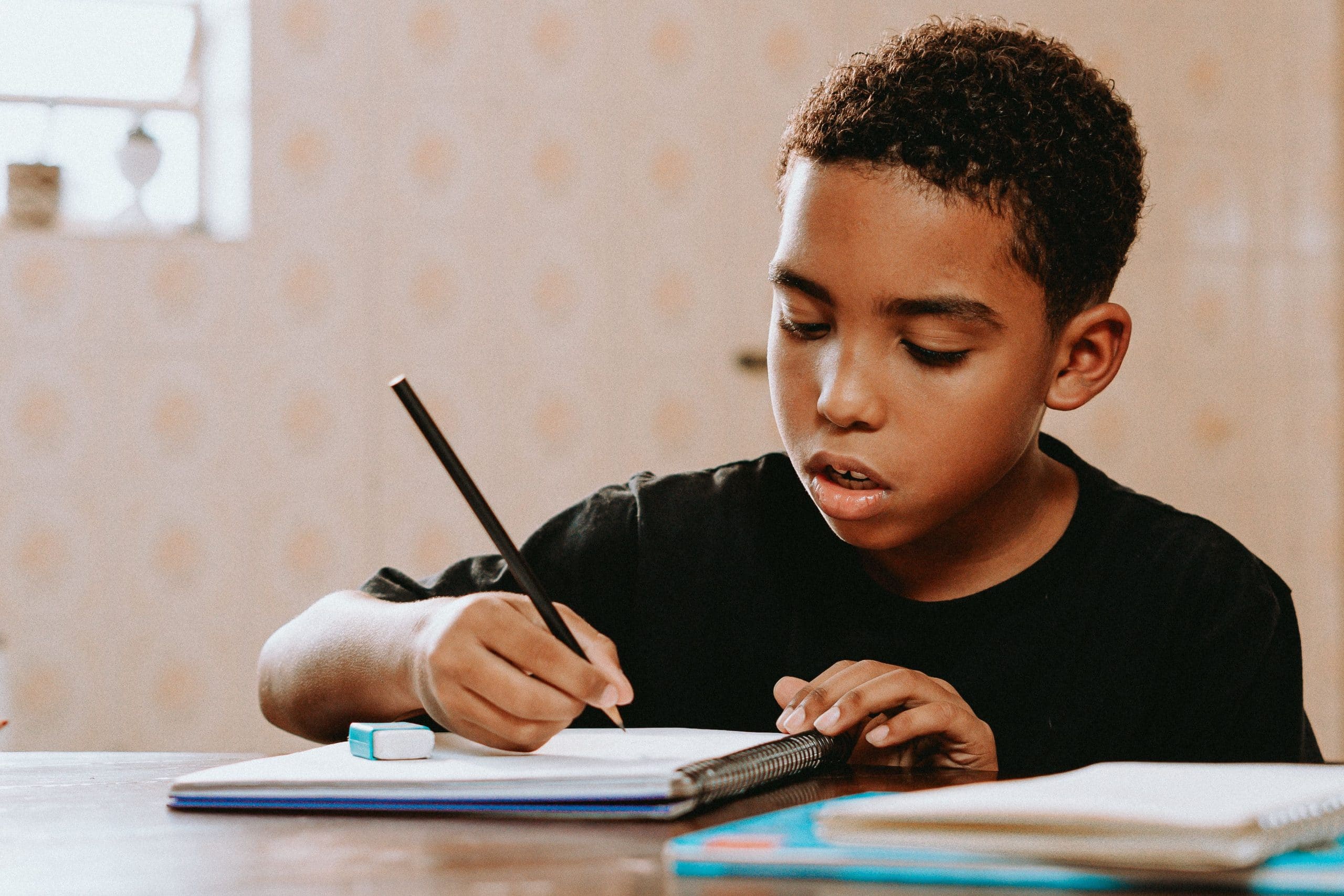
Implementing structured writing exercises at home bridges the gap between learning basic letters and confidently forming complete sentences. Once your child reaches age five, their focus naturally shifts from simply holding a pencil to actually expressing their own thoughts on paper. Providing a dedicated daily routine for this expression builds immense academic confidence before they ever face a formal grading system.
Older high schoolers or college students might panic and search for someone to write my paper for me fast when they lack foundational literacy confidence. By introducing these simple 10-minute writing activities now, you ensure your kindergartner or first-grader never experiences that level of severe academic anxiety. Consistent home practice turns a daunting chore into a natural, enjoyable method of daily communication.
Curating a rotating list of writing activities for kids keeps the practice fresh and prevents the boredom of repetitive workbook drills. Unlike rigid classroom assignments, practicing at home allows you to match every single one of these prompts to your child’s favorite toys, pets, and personal interests.
Creating daily comic strips
Drawing and captioning comic strips tricks reluctant writers into practicing sentence structure by pairing their own artwork with short, manageable text blocks. Sequential art naturally forces children to think about a beginning, a middle, and an end without feeling overwhelmed by a massive blank page. Providing a pre-drawn grid gives them a safe, confined boundary to test out their storytelling skills.
If your child struggles with spelling, comic strips allow them to rely heavily on visual context clues to carry the narrative. They can draw a detailed superhero battle and simply write “POW!” or “He runs fast” in the dialogue bubbles. This simple approach to creative writing fun activities lowers the barrier to entry while still requiring them to actively hold a pencil and form letters.
You do not need expensive art supplies to make this engaging and highly repeatable for young learners. A simple piece of printer paper divided into three squares works perfectly for a quick morning project.
Gather these basic materials to build a portable comic creation kit:
- Blank white paper
- Black fine-tip markers
- Colored pencils
- A sturdy clipboard
Running a cardboard family mailbox system
Installing a cardboard family mailbox encourages children to write short letters because they eagerly anticipate receiving a physical reply from you. Checking the mail becomes a thrilling daily game that completely disguises the educational nature of the task. They learn the basic formatting of a letter, including greetings, body text, and sign-offs, through pure social play.
Engaging in hands-on writing activities like a family post office gives their handwriting practice an immediate, real-world purpose. When they write a note asking for a specific snack, and you reply with a written “Yes,” they instantly see the power of written communication. This immediate feedback loop is crucial for children aged five to seven to understand why writing matters.
To keep the momentum going, you must commit to writing back to them every single day. Seeing your handwriting models proper spelling, capitalization, and punctuation in a highly personalized context. When they write these short notes, they naturally practice common, everyday vocabulary, known as high-frequency sight words, without realizing they are studying.
Refer to this baseline guide to know which sight words to encourage during these letter-writing sessions:
High-frequency sight word acquisition expectations by age
| Child age | Expected sight word count | Common example words to target |
| 5 years old | 20 to 40 words | the, and, a, to, in, is |
| 6 years old | 50 to 100 words | he, was, that, she, on, they |
| 7 years old | 150 to 200 words | with, his, they, I, at, be |
Source note: Data adapted from the standard Dolch Sight Word benchmarks for early literacy.
Designing a custom restaurant menu
Writing out the weekly dinner options as a fancy restaurant menu builds vocabulary while teaching children how to categorize different items. Grouping foods into appetizers, main courses, and desserts teaches basic organizational skills and logical grouping. You can hand them a piece of cardstock and ask them to name the “restaurant” based on what you are cooking that night.
This fun writing activity lets them play the role of an executive chef, asking them to describe the food appetizingly. Instead of just writing “chicken,” encourage them to write “crispy baked chicken.” This small addition introduces the concept of adjectives in a highly practical, delicious way.
Finding the best writing activities for kids often involves hijacking their natural desire to participate in adult tasks like cooking or hosting. They can even list imaginary prices next to each item, which sneaks a little bit of basic math into the evening routine.
Keeping a ten-minute outdoor nature journal
Taking a notebook outside to describe bugs, leaves, and weather patterns develops a child’s observational skills and descriptive vocabulary. Sitting in the grass and documenting the physical world forces them to slow down and notice tiny details they usually run right past. This quiet reflection time translates perfectly into rich, sensory-driven sentence construction.
When searching for free writing activities, nature journaling requires nothing more than a cheap spiral notebook and a walk through the local park. You can ask them to find one interesting leaf and write two complete sentences describing its shape and color. If they spot a bird, they can sketch it quickly and write down what it was doing.
Every single writing activity should prioritize the child’s independent observations over strict spelling corrections. If they spell “butterfly” incorrectly, let it go for now to preserve their creative momentum and confidence in their field notes. Limiting this observation time to just ten minutes prevents them from getting frustrated or bored.
Understanding average attention spans helps you properly time these outdoor journaling sessions:
Estimated attention span limits for seated academic tasks
| Developmental age | Maximum seated attention span | Best type of focused task |
| 5 years old | 10 to 15 minutes | Drawing, tracing, short sentences |
| 6 years old | 12 to 18 minutes | One-paragraph stories, short letters |
| 7 years old | 14 to 21 minutes | Multi-step journaling, comic strips |
Source note: Averages based on pediatric occupational therapy guidelines for sustained attention.
Rolling story dice for random prompts
Rolling dice with pictures on them forces children to connect unrelated objects into one cohesive sentence, boosting their improvisational storytelling skills. If they roll a picture of a rocket and a picture of a dog, they must invent a scenario linking the two concepts. This spontaneous generation completely eliminates the dreaded “I do not know what to write about” complaint.
Using visual prompts represents one of the most effective writing activities for beginners because it completely removes the burden of topic generation. The brain can focus entirely on grammar, spelling, and sentence structure because the actual subject matter is already decided by the dice. You can easily make your own story dice using wooden blocks and simple stickers.
Follow these steps to run a successful story dice session:
- Have your child roll exactly three picture dice onto the table simultaneously.
- Ask them to verbally tell you a story linking the three random images together.
- Instruct them to write down just one sentence from the story they just told out loud.
- Gradually increase the requirement to two or three sentences.
Reviewing household toys and picture books
Asking your child to write a one-paragraph review of their favorite toy teaches them the absolute basics of persuasive writing and forming critical opinions. Instead of just stating they like a toy, they must explicitly write down why it is fun or why another child should play with it. This logical jump from statement to justification forms the foundation of all future academic essays.
These types of writing activities for students prepare them for book reports and critical thinking assignments they will face in higher grades. They can rate their favorite LEGO sets or stuffed animals on a five-star scale and write a small blurb defending their rating. You can even compile these reviews into a little homemade magazine that they can share with their friends or grandparents.
Finding activities for writing that validate a child’s personal opinions builds massive intrinsic motivation. When they realize their written words can influence what other people think or buy, writing transforms from a chore into a superpower. You can use this simple framework to help them structure their very first persuasive reviews:
Core structural components of early persuasive writing
| Persuasive element | Goal of the sentence | Age-appropriate example |
| The opinion statement | Clearly state how they feel | “This blue truck is the best toy.” |
| The primary reason | Provide a logical justification | “It goes very fast on the floor.” |
| The closing thought | Reiterate the main feeling | “Everyone should play with it.” |
Source note: Framework adapted from early elementary Common Core writing standards.
Completing silly fill-in-the-blank stories
Providing stories with missing key words teaches children about nouns, verbs, and adjectives while keeping the creative process light and humorous. By simply filling in the blanks, kids focus solely on vocabulary selection rather than the heavy mental effort required to invent an entire story from scratch. The resulting absurd sentences usually end in fits of giggling, which builds a highly positive association with literacy practice.
If you are hunting for low-stress writing activities, you can quickly write a three-sentence story about your family and leave out five crucial words. Ask your child to supply the missing words without knowing the context of the story first. When you read the final, ridiculous version out loud together, they see how individual word choices dramatically change a sentence’s meaning.
Focus on teaching these parts of speech during your fill-in-the-blank sessions:
- Action verbs that describe movement, like jumping, crashing, or spinning, to make the stories highly dynamic.
- Descriptive adjectives that focus on gross or funny textures, like slimy, bumpy, or sticky, which naturally appeal to young children.
- Specific proper nouns, including the names of their pets, siblings, or favorite cartoon characters, to highly personalize the final story.
How to build a consistent weekly writing plan
Building a structured five-day weekly schedule ensures your child practices different genres without ever feeling like they are doing extra homework. Haphazard, random practice rarely yields long-term results, but a predictable ten-minute daily routine rapidly accelerates handwriting speed and vocabulary retention. You want to aim for short, highly focused bursts of creativity right after school or just before dinner.
Mixing up the genres prevents fatigue and keeps the child excited about what the daily challenge will be. If Monday is a highly structured task like a toy review, Tuesday should be a purely creative task like drawing a comic strip. By sticking to this gentle daily rotation, you will expose your child to hundreds of unique vocabulary words.
These fun writing activities only work if you integrate them seamlessly into your existing household rhythm.
Follow this simple process to build an effective weekly schedule:
- Pick a consistent ten-minute time slot that happens every single weekday.
- Assign a specific activity theme to each day, like “Mailbox Monday” or “Story Dice Friday.”
- Gather all the necessary supplies in a small basket so you never waste time looking for pencils.
- Stick the written schedule on the refrigerator so the child knows exactly what to expect.
Tracking progress and celebrating literacy milestones
Keeping a dedicated physical portfolio of your child’s written work allows you to visually track their spelling and sentence complexity over several months. When a child struggles with a tough word, you can pull out their older work to show them exactly how much they have already improved. This tangible proof of progress builds extreme resilience and proves that hard work actually pays off.
Buy a cheap three-ring binder and slide their best weekly comic strips, menus, and nature journals into clear plastic page protectors. At the end of the month, let them flip through the binder and pick their absolute favorite piece to display proudly on the refrigerator.
Curating a positive environment around these writing activities guarantees that your child will view literacy as a lifelong tool for self-expression. By keeping the exercises short, playful, and deeply connected to their interests, you set them up for long-term academic success.
Loved this craft? More printable fun in the shop:
Browse the full shop•Complete Alphabet Bundle — $24.97•Uppercase Alphabet Crafts — $14.97