Collaborative Post
At first, arts and crafts may seem like a great way to keep children busy, but they do so much more in the background. By doing simple activities like organizing crayons or squeezing paint, children develop important skills that are crucial for their development. Understanding how and why that happens can help parents develop activities that will turn fun time into learning time.
Why Arts and Crafts Matter for Child Development
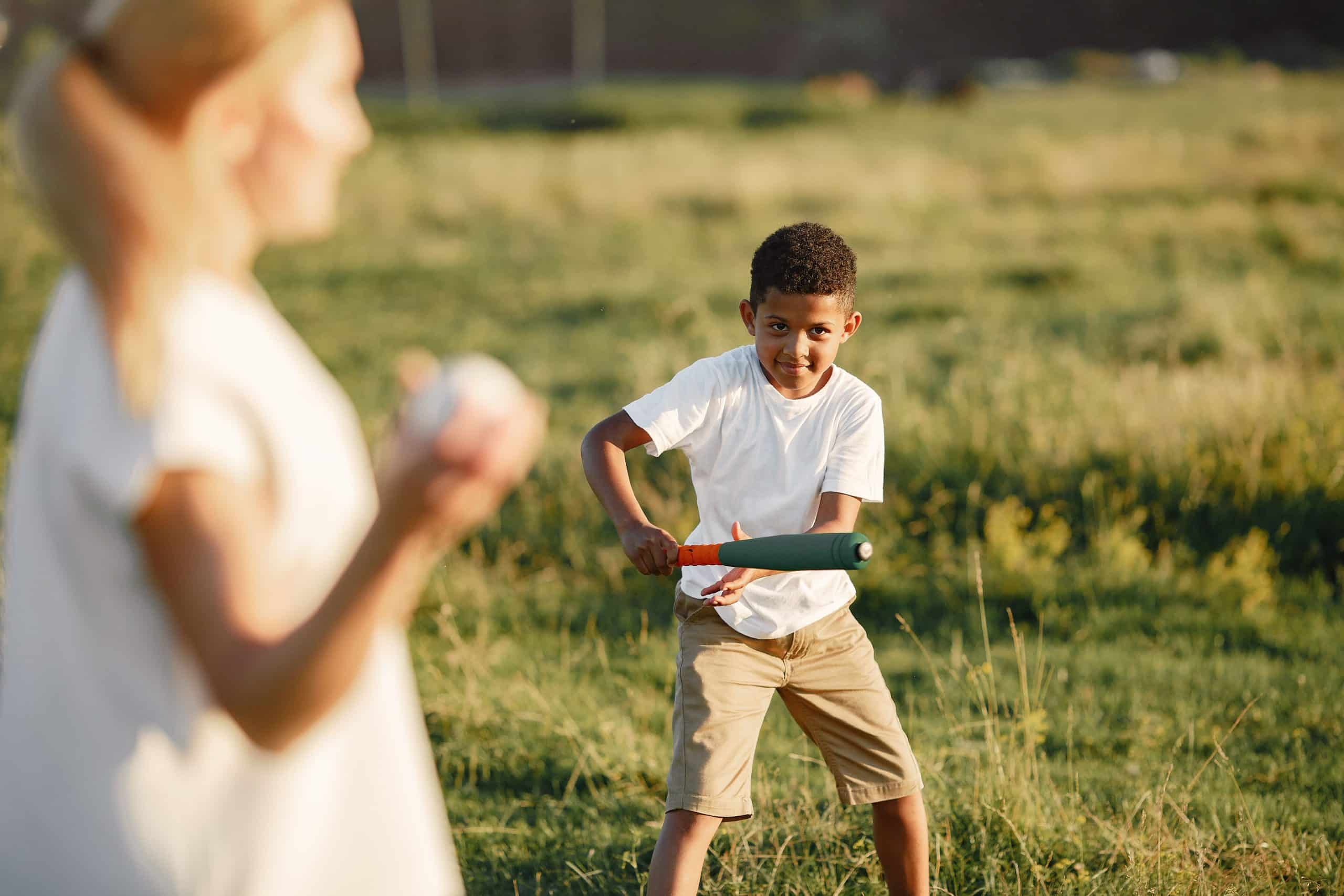
Creative play gives children the freedom to experiment, make decisions, and express ideas in ways that traditional learning does not always provide, something researchers link to stronger problem-solving and self-regulation. As a result, children develop their imagination, problem-solving skills, communication capabilities, and motor skills.
Rather than focusing only on the finished product, parents can encourage children to enjoy the process. Choosing colors, deciding what to make, and figuring out how different materials work all involve active learning.
Fine Motor Skills Get a Workout
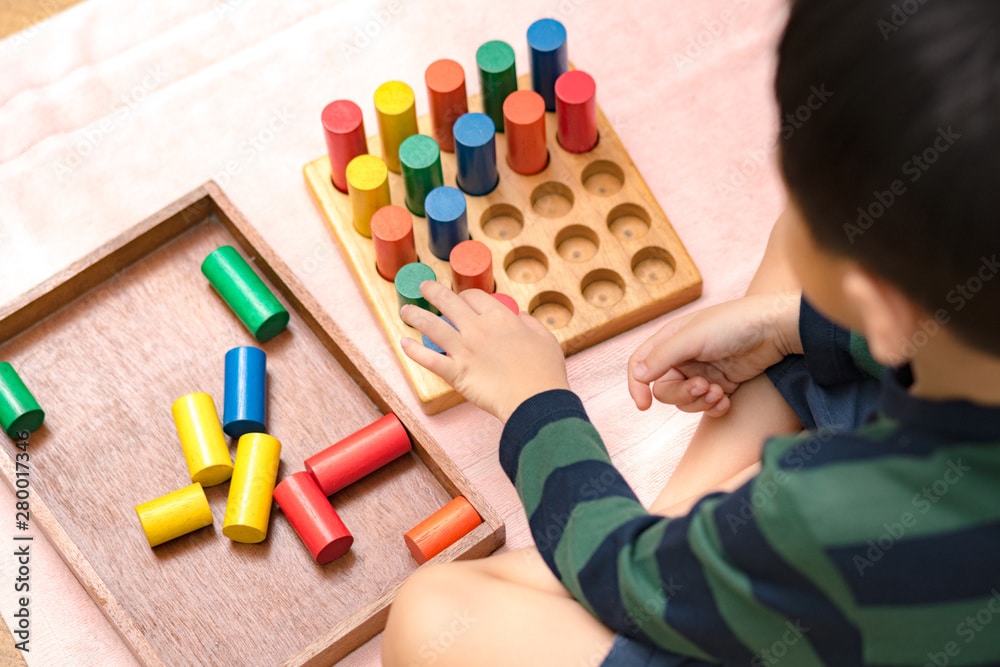
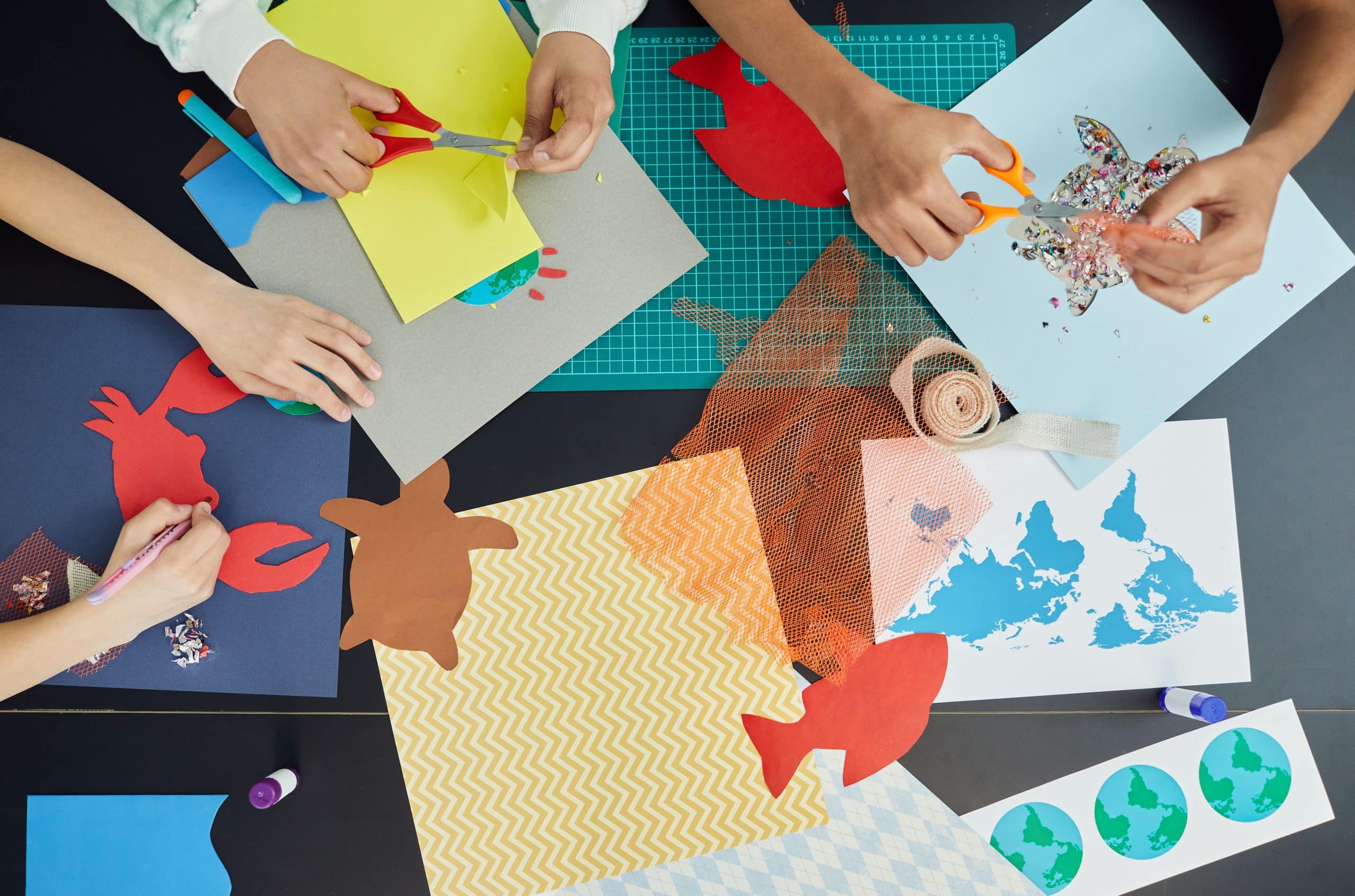
When kids grab crayons, paint with brushes, squeeze glue bottles, thread beads, or cut paper, they’re working on those small, precise movements their hands need. All this hands-on stuff builds up the muscles and control they’ll use for things like writing, buttoning a shirt, or eating with a fork and spoon.
Craft projects don’t just help with strength; they’re great for hand-eye coordination, too. Kids have to pay attention to their hands as they move materials around. Even basic things, like drawing or sticking shapes onto paper, give them solid practice and help their skills grow.
Creativity Encourages Problem-Solving
A craft project seldom works out just as planned. The paper may not form the desired shape, the paint may blend into an unexpected color, or the structure may collapse. Rather than seeing these as mistakes, parents can help children think about what they might try next.
This is one reason why open-ended projects can be so useful. When there is no one correct result, children can test ideas, make changes, and find different answers.
Arts and Crafts Can Support Emotional Development
Creative activities are also great for expressing feelings and ideas. The drawings, paintings, and models they make tell stories from their everyday life. Younger children can benefit in particular from creative play, as it promotes cognitive, physical, social, and emotional development.
Confidence Comes From Creating
Completing a project can give children a sense of accomplishment. Even when the finished piece doesn’t look like it was supposed to, looking at something they made can reinforce their confidence and independence.
Parents can support this by focusing on the child’s effort and decisions instead of correcting every detail. Asking questions such as “How did you decide to make that?” encourages children to explain their thinking and take ownership of their work.
What Kids Can Learn Through Crafting
Different projects can introduce different skills, so there is no need to rely on one type of activity. Parents can rotate between drawing, painting, building, cutting, modeling, and other creative projects depending on the child’s age and interests. Some of the skills arts and crafts can encourage include:
- Fine motor control and hand-eye coordination.
- Creativity and imagination.
- Problem-solving and decision-making.
- Communication and self-expression.
- Patience and perseverance.
- Recognition of colors, shapes, patterns, and textures.
- Confidence and independence.
Making Arts and Crafts More Meaningful With Online Tools
Arts and crafts can extend beyond paper, paint, and glue, with online tools giving children new ways to explore creativity. A child might design a puppet digitally before making it from cardboard, experiment with colors in a drawing app, or find inspiration for a hands-on project. These activities connect digital creativity with traditional crafting while encouraging children to experiment with ideas.
A quick safety check matters: even a search like ‘is Omegle safe for kids‘ shows how important it is to confirm a platform is age-appropriate and reputable — Omegle itself was closed in 2023 after serious child-safety problems — before you let your child explore any digital creativity tool.
Let Creativity Lead the Way
There is more to arts and crafts than a fun way to spend the afternoon with kids. They give children a way to develop their imagination, skills, and confidence while enjoying what they do. With the right age-appropriate materials and exploration, you can turn creativity into a valuable part of your child’s development.
Loved this craft? More printable fun in the shop:
Browse the full shop•Complete Alphabet Bundle — $24.97•Uppercase Alphabet Crafts — $14.97