Every new parent faces the same small decision in the nursery: keep tossing dirty diapers in a regular trash can, or invest in a dedicated diaper pail. A diaper pail is a covered bin built specifically to contain used diapers and lock away odor between changes. The real question is whether that extra purchase earns its place next to the changing table. This guide breaks down what a diaper pail does, its true benefits and drawbacks, what it costs to run, and which families get the most out of one.
Do You Really Need a Diaper Pail?
A diaper pail isn’t strictly necessary, but it solves a problem that shows up fast. Newborns can go through 8 to 12 diapers a day, and those diapers pile up quickly in an open can. A diaper pail gives you one closed spot to drop diapers without the smell taking over the room.
Keeping odor under control usually comes down to the system you use, not how often you haul out the trash. Brands like Diaper Genie build their pails around multi-layer diaper pail refill bags that wrap each diaper in odor-locking film, so smells stay trapped instead of drifting into the nursery. That means parents can go days between empties without the room announcing what’s inside.
What a Diaper Pail Actually Does
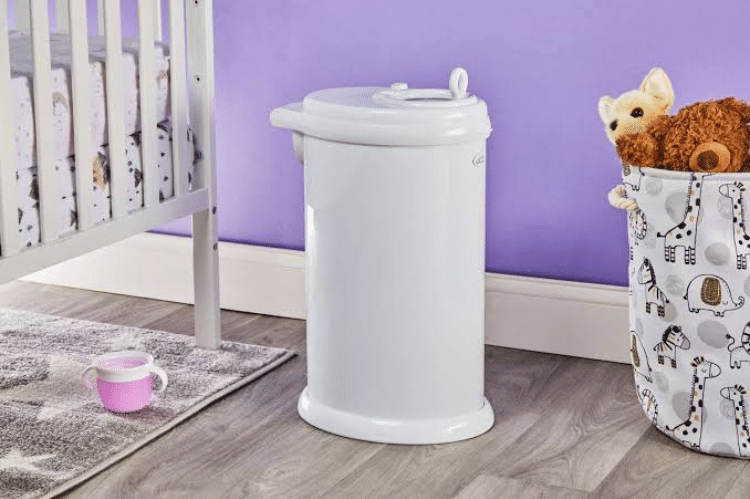
A diaper pail is a dedicated bin that stores used diapers and keeps their odor contained until you empty it. Most models use a lid or clamp that opens for disposal
and closes to lock odor inside. Many also rely on scented or multi-layer liners that add another barrier against smell. The result is a single, contained place for diaper waste that a regular trash can can’t quite match.
How a Diaper Pail Differs From a Regular Trash Can
A regular trash can holds waste, but it doesn’t fight odor. Every time you lift the lid, trapped smells escape into the room, and thin kitchen bags do little to hold them back. A diaper pail is engineered for the job, with tighter closures and odor-locking liners that a standard bin lacks. It also lets you skip constant trips to the outdoor trash, since diapers stay contained far longer.
What Are the Real Benefits of a Diaper Pail?
The value of a diaper pail comes down to three things: odor control, convenience, and a cleaner nursery. Each one matters more once the daily diaper count climbs.
How Well Do Diaper Pails Control Odor?
Odor control is the main reason parents buy a diaper pail. Well-built pails lock smell inside with a combination of a tight lid and multi-layer liner film. Instead of catching a whiff every time you walk past, you get a room that stays fresh between changes. For light sleepers and small nurseries, that difference is hard to ignore.
Can a Diaper Pail Make Daily Diaper Duty Easier?
A diaper pail saves steps, and steps add up over a long day. You drop a diaper in, close the lid, and move on, without bagging each one or walking to the outdoor bin. Many pails let you go 2 to 3 days before emptying, which trims the chore to a couple of times a week. For a tired parent, fewer trips means more time for everything else.
What Are the Drawbacks to Consider?
A diaper pail isn’t perfect, and two trade-offs are worth weighing before you commit: ongoing refill costs and the space it takes up.
The Ongoing Cost of Refills
The pail itself is a one-time buy, but many models need proprietary refills to keep working. That turns a diaper pail into a recurring purchase for as long as your child is in diapers. Refill costs vary by brand and by how often you empty the pail, so it helps to check compatibility and price before you pick a model. Universal-bag pails avoid the lock-in, though they often trade away some odor control.
How Much Room Does a Diaper Pail Take Up?
A diaper pail needs floor space, usually right next to the changing table. Most stand about 2 feet tall and take up roughly the footprint of a small kitchen bin. In a compact nursery, that can feel like a lot for a single-purpose item. Measuring your space before buying keeps you from crowding the area you use most.
How Much Does a Diaper Pail Cost to Run?
The true cost of a diaper pail is the pail plus every refill you buy after it. Hardware is the smaller, one-time part of the equation, while refills are the recurring cost that adds up over months. To compare fairly, look at how many diapers each refill holds and how quickly you’ll move through them. That math tells you far more than the sticker price on the pail alone.
What Should You Know About Diaper Pail Refill Bags?
Refill bags are what make a diaper pail work, so they deserve a close look. Many use multi-layer film designed to lock odor in, and some are scented for an extra barrier. Refills sell individually and in multi-packs, and capacity varies, so a single refill might last one child several weeks. Before you settle on a pail, confirm which refills it takes and how easy they are to find, since that decides your long-term cost and convenience.
When Is a Diaper Pail Worth It for Your Family?
A diaper pail is worth it when odor and convenience outweigh the extra cost, and that balance depends on your situation. High diaper volume, a small living space, or a low tolerance for smell all tip the scale toward yes. If you change diapers in a shared room or far from an outdoor bin, the payoff grows. For families with the opposite setup, a solid lidded can might be enough.
Which Households Get the Most Value From a Diaper Pail?
Some households see a bigger return from a diaper pail than others. Parents of a single newborn, multi-child homes with stacked diaper duty, and caregivers in apartments all tend to gain the most. In-home daycares and anyone managing several children benefit from contained odor and fewer trash runs. The heavier your diaper load, the faster a pail earns its keep.
What to Weigh Before Buying a Diaper Pail
So, are diaper pails worth it? For most families in the thick of diaper duty, the answer leans yes, thanks to steady odor control and real day-to-day convenience. The decision comes down to your diaper volume, your space, and whether you’re comfortable with recurring refill costs. Weigh those factors against your routine, and you’ll know whether a diaper pail belongs in your nursery. Either way, the goal is the same: a cleaner room and less time spent on diaper duty.
Frequently Asked Questions About Diaper Pails
How Often Should You Empty a Diaper Pail?
Most parents empty a diaper pail every 2 to 3 days, though it depends on your baby’s age and how many diapers you go through. Newborns fill a pail faster than older babies, so you may empty more often early on. If you notice odor starting to escape, it’s usually a sign the pail is full or the refill needs changing.
Do Diaper Pails Really Keep Odor Under Control?
Yes, a well-built diaper pail keeps odor contained far better than an open trash can. The mix of a tight lid and multi-layer refill film locks smell inside between changes. Odor only becomes an issue when the pail is overdue for emptying or the liner needs a refresh.
Are Diaper Pail Refill Bags Worth the Extra Cost?
For most families, refill bags earn their cost through stronger odor control. Their multi-layer film wraps each diaper in a way standard trash bags can’t match. If recurring costs concern you, compare refill capacity across brands, or look at a pail that accepts universal bags.
Can You Use a Diaper Pail Beyond the Newborn Stage?
Yes, a diaper pail stays useful for as long as your child is in diapers, right through toddlerhood. As your baby grows, diaper size goes up while daily counts drop, so you may empty the pail a little less often. Once potty training wraps up, many parents repurpose the pail for other household waste.