This post is sponsored
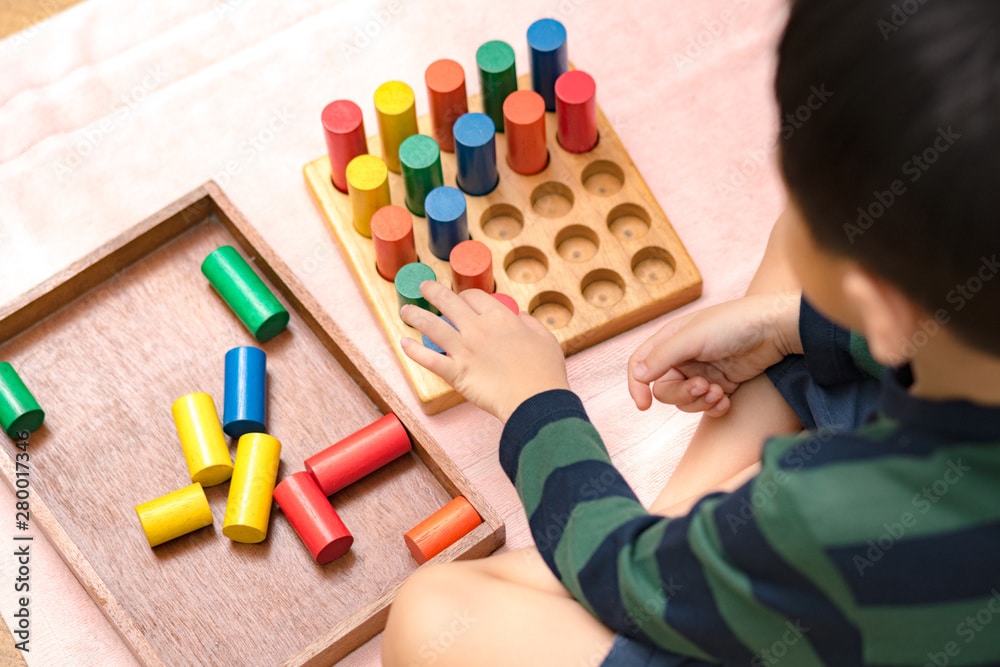
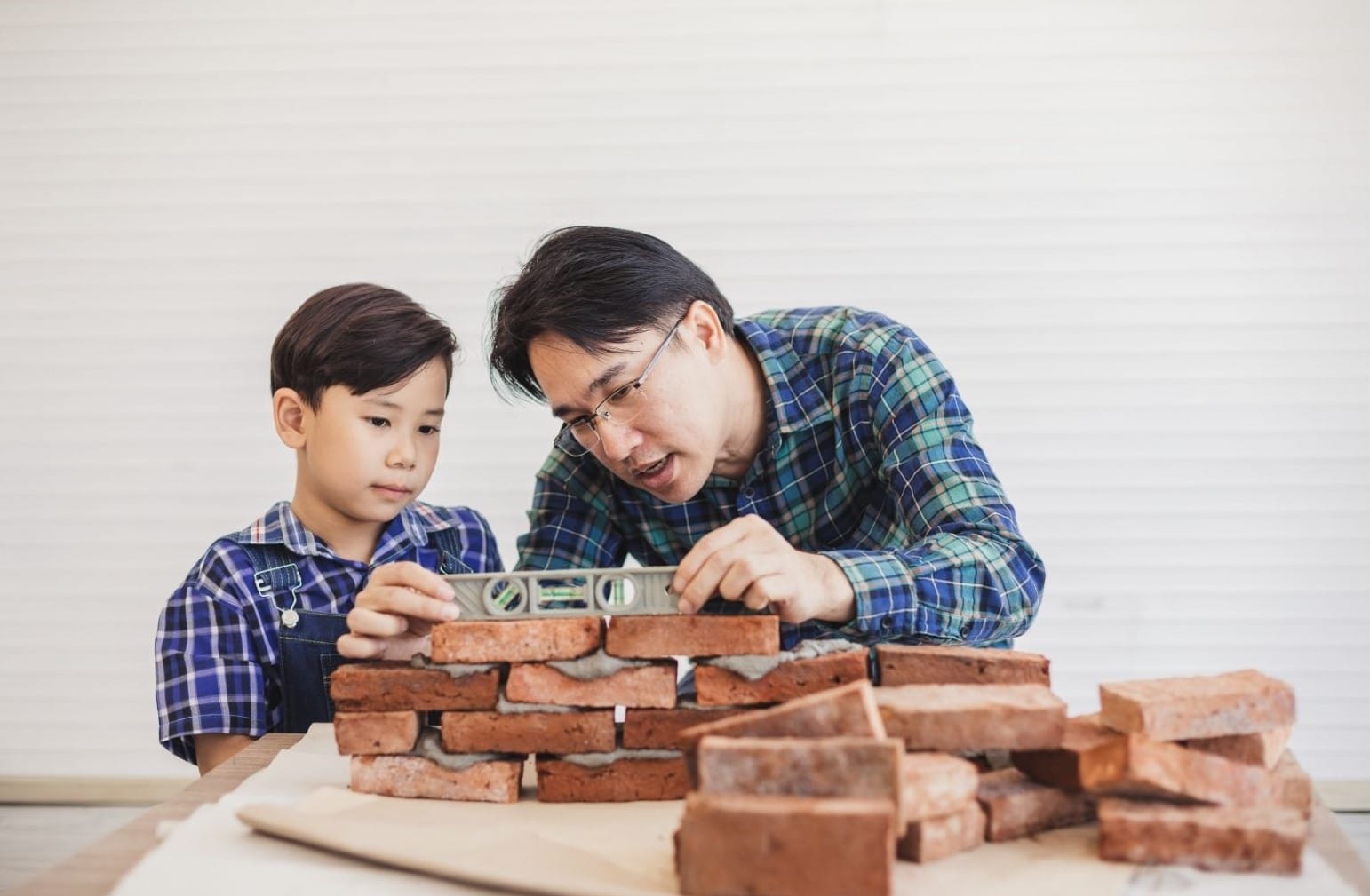
Children learn best when they actively participate in the process rather than simply observing or memorizing information. Hands-on projects encourage them to ask questions, test ideas, and discover solutions through experience. This style of learning builds confidence because children see the direct results of their own efforts.
Whether they are assembling a birdhouse, planting a small garden, or creating crafts from recycled materials, every activity presents opportunities to think critically. They learn that mistakes are not failures but valuable lessons that lead to better outcomes. These experiences help children develop a growth mindset that benefits them throughout life.
Building Confidence Through Real Experiences
Every completed project gives children a sense of accomplishment. Finishing something they built with their own hands reinforces the belief that they can tackle new challenges. That confidence often extends into school, sports, and social situations.
Parents play an important role by encouraging effort rather than perfection. Celebrating creativity and persistence teaches children that success comes from trying, adjusting, and learning. This positive reinforcement helps them become more willing to face unfamiliar problems.
Developing Critical Thinking Skills
Hands-on activities naturally require planning and decision-making. Children must determine what materials they need, what steps come first, and how to solve unexpected issues along the way. Even simple crafts involve choices that strengthen analytical thinking.
When projects do not go as planned, children learn to adapt instead of giving up. They begin asking questions like, “What can I change?” or “Is there another way to solve this?” These moments build resilience while encouraging creative thinking.
Learning To Work As A Team
Many DIY projects are even more enjoyable when completed together. Family members can divide responsibilities, exchange ideas, and support one another throughout the process. Children quickly discover that collaboration often leads to better results.
Working alongside parents also teaches valuable communication skills. Listening, sharing opinions respectfully, and accepting constructive feedback become natural parts of completing a shared goal. These abilities remain useful throughout school and later in professional life.
Creativity Flourishes With Open-Ended Projects
Projects without strict rules allow children to express themselves freely. Building with blocks, designing cardboard creations, or decorating handmade gifts encourages imagination without fear of making mistakes. Creative freedom helps children develop original ideas and unique approaches to solving problems.
Open-ended activities also improve flexibility. Children learn there are often multiple ways to achieve the same goal, making them more adaptable when facing challenges later in life. This mindset supports innovation in both academic and personal pursuits.
Everyday Skills Become Valuable Lessons
Simple household projects often teach practical skills without children realizing they are learning. Measuring ingredients while baking introduces basic math concepts, while organizing craft supplies reinforces planning and responsibility. Gardening teaches patience, observation, and the importance of consistent care.
These experiences connect learning to everyday life. Instead of viewing education as something limited to the classroom, children begin seeing opportunities to learn everywhere they go. That curiosity encourages lifelong exploration.
Encouraging Safe Habits From The Beginning
Safety should always be part of every family project. Teaching children to wear protective equipment appropriate for their age helps establish habits that remain with them as they grow. Even simple activities can include lessons about wearing safety glasses, keeping workspaces organized, and handling tools responsibly.
As children become interested in more advanced building projects, parents can demonstrate the importance of using professional protective equipment. For adults tackling larger home renovations or workshop tasks, choosing quality available welding helmets from Ridge Products Welding reflects the same commitment to safety that families encourage during everyday DIY activities. This brief example shows children that preparation and protection are essential parts of responsible project work.
Turning Challenges Into Opportunities
Not every project works perfectly on the first attempt. Paint spills, structures collapse, and measurements occasionally miss the mark. Rather than becoming discouraged, children can learn that setbacks are simply opportunities to improve.
Parents who stay patient during these moments provide one of the greatest lessons of all. Calmly discussing what happened and exploring possible solutions teaches children that perseverance often leads to success. This ability to recover from disappointment becomes valuable throughout adulthood.
Building Independence Step By Step
As children gain experience, they naturally become more independent. Tasks that once required constant supervision gradually become opportunities for them to make their own decisions. Parents can slowly introduce greater responsibility while remaining available for guidance when needed.
This balance allows children to develop confidence without feeling overwhelmed. They learn to trust their judgment while understanding that asking for help is also a valuable skill. Independence built through supportive experiences creates capable and confident young adults.
Creating Meaningful Family Traditions
Hands-on projects often become treasured family traditions. Seasonal crafts, weekend woodworking sessions, or annual garden planting create lasting memories while strengthening family relationships. These shared experiences offer valuable opportunities for conversation and connection away from screens.
Children frequently remember these moments long after they forget individual lessons from school. The time spent creating together reinforces emotional bonds while providing practical knowledge that stays with them for years.
Supporting Academic Success
Hands-on learning complements traditional education by making abstract concepts easier to understand. Science becomes more engaging when children build simple machines or observe plants growing. Math feels more practical when measurements are used during baking or construction projects.
This connection between theory and practice helps children retain information more effectively. They begin recognizing that classroom knowledge has real-world applications, making learning more meaningful and enjoyable.
Inspiring Curiosity For The Future
Children who regularly participate in creative projects often develop lasting curiosity. They become eager to explore new hobbies, investigate how things work, and experiment with different ideas. This curiosity encourages continuous learning long after childhood.
The willingness to ask questions and seek solutions is one of the most valuable qualities any child can develop. Whether they pursue careers in science, business, education, healthcare, or the skilled trades, strong problem-solving abilities help them adapt to changing circumstances.
Conclusion
Teaching children through hands-on projects provides far more than entertainment. Every craft, building activity, or family DIY project develops confidence, creativity, resilience, communication, and critical thinking. These experiences prepare children to approach future challenges with curiosity instead of fear.
By creating opportunities to build, experiment, and solve problems together, parents help shape capable, independent individuals who understand that persistence and thoughtful effort lead to meaningful success. The lessons learned through simple projects today can become the foundation for lifelong problem-solving skills tomorrow.