This post is sponsored
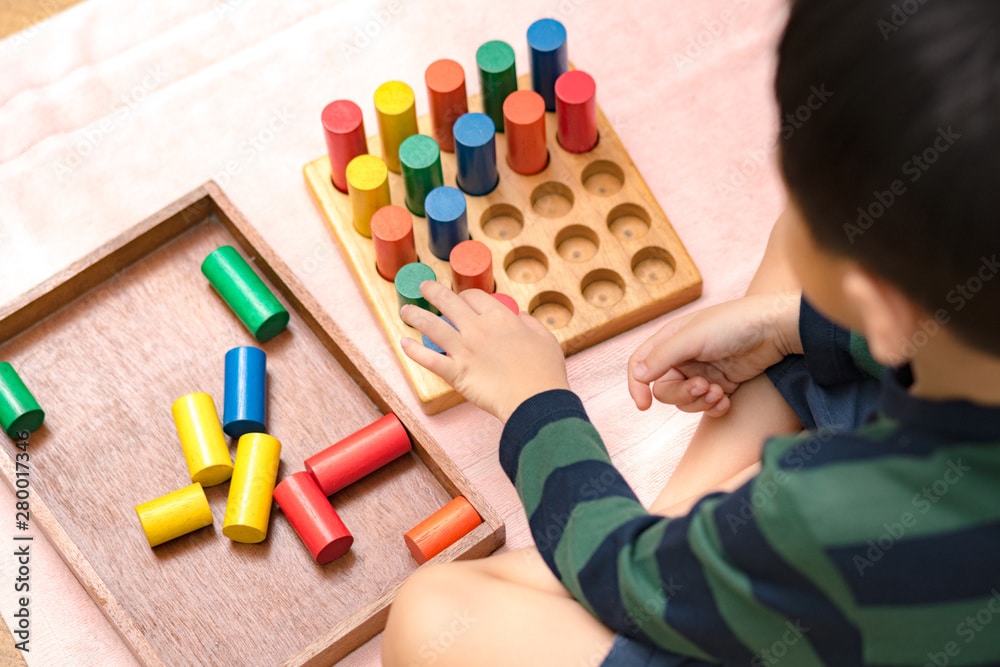
Resilience-building in kids during their early years should be more about small efforts rather than making a grand gesture. When a young kid is fighting to place a piece in its right position or when a little child is waiting for his turn on the swing, the challenge he is experiencing is not something which needs to be eliminated from his path.
The role of adults here should not be such that the kids get rid of these moments of struggle quickly. This is not about making the child undergo difficult circumstances without support but with gradual encouragement.
The Importance of Age-Appropriate Challenging
Everyday challenges are presented to children frequently throughout any given day. Whether a child is sharing their most beloved toy, coping with a change in daily schedule, or tasting something unfamiliar to them, every time this is challenging to them on an emotional level. The importance of such experiences lies in the realisation that discomfort is something that one is capable of dealing with, and it is not going to last forever.
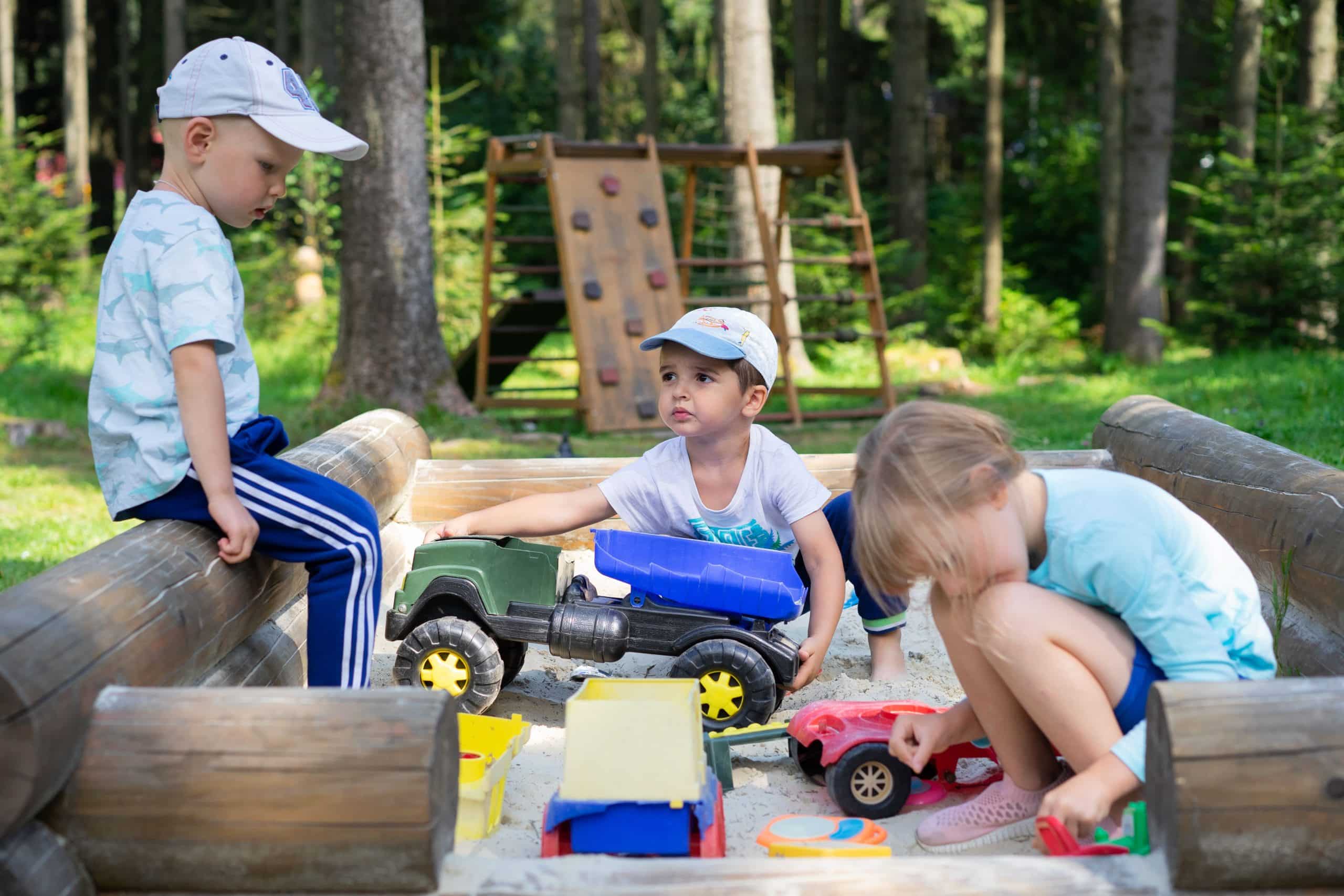
Group settings offer regular opportunities for this kind of practice, since children navigate these moments alongside peers rather than one on one with a parent. Early learning services across Australia, including in Victoria at services such as Belmont childcare, typically build this kind of exposure into daily routines rather than treating it as a standalone lesson. A child learning to zip their own jacket or negotiate shared space with a peer is quietly practising resilience, long before they would ever use that word themselves.
Challenges Matching Stages of Development
All challenges are not suited for all ages because that is what makes observation critical rather than the application of a set formula. An activity that challenges a child at the age of three may be difficult for a two-year-old, yet barely challenging to a four-year-old.
Signs a challenge is well matched
A few practical indicators help adults gauge whether a task fits a child’s current stage:
- Visible concentration, with occasional pauses to reset rather than give up
- Frustration that stays manageable instead of tipping into distress
- A clear sense of pride or relief once the task is finished
When a child abandons an activity almost immediately or becomes disproportionately upset, the task is likely too far beyond their current ability. Adjusting rather than abandoning the challenge altogether tends to work better long-term.
Role of the Adult in Helping Rather Than Problem-Solving
It can be difficult to know when to back off in order to cultivate resilience. Although adults instinctively protect children from frustration, this may inadvertently convey a message about children being incapable of dealing with challenges on their own.
Practical ways to support without solving
A few simple techniques make this easier to apply day to day:
- Narrate the problem instead of fixing it, such as “That block keeps falling; what could we try differently?”
- Ask an open question before offering a solution
- Wait a few extra seconds longer than feels natural before stepping in
Carers who stay calm during their own small setbacks give children something concrete to imitate. Over time, this style of guidance builds a stronger internal sense of capability, where children learn that help is nearby but many problems are theirs to work through first.
Foundations of Resilience
For little children, resilience generally depends upon just a few reliable foundations. At the heart of those foundations are warm and reliable relationships with caring adults, along with problem-solving skills and emotion regulation skills. None of these develop independently of each other.
It is worth noting that resilience is a malleable quality and not a fixed one. The development of resilience in children can be strengthened through sustained support but also weakened during times of transition or additional stress. Looking at resilience as a variable, as opposed to an inherent characteristic of a child, allows for patience when difficulties arise.
Emotion Regulation and Resilience
While resilience tends to be discussed in terms of perseverance, emotion regulation is equally important. When a child is able to put into words his or her frustration, breathe deeply, and continue efforts, he or she demonstrates resilience, as does another child who succeeds at solving some challenging task.
Learning to regulate one’s emotions is based on a constant demonstration of how to do it calmly rather than a one-time discussion. Children learn that feeling something is completely okay and that these emotions need not be hidden when adults put their feelings into words after some minor failures.
Establishing the specific ritual, like breathing deeply before continuing efforts again and again, helps children develop an effective strategy they can implement on their own.
Resilience Takes on Many Forms in Each Child
Resilience takes many different forms that may not necessarily be obvious. While some children exhibit resilience through perseverance without complaining about their challenges, other children express resilience through frustration and eventual recovery.
Comparison between children usually doesn’t work and may even frustrate the child because of different ways of processing problems. Instead, what might work better is observing how well the child is able to deal with challenges in comparison to the months before.
Another benefit of this more individualised method is how adults will be less likely to mistake the quiet child for the coping child or the expressive child for the struggling child.
Cultivating Resilience In Small Increments of Time
The development of resilience happens gradually through minor age-appropriate problems, trustworthy connections, and good instruction, rather than through spectacular events. Both in the home environment and the early learning environment, the choices adults make regarding whether to intervene or withhold action determine how well children become able to cope with adversity.
It’s unnecessary to create difficulties for children or to challenge them beyond what is appropriate to their developmental level. Life itself provides plenty of natural resistance to enable this process, as long as the adults in children’s lives remain consistent, alert, and supportive.
Loved this craft? More printable fun in the shop:
Browse the full shop•Complete Alphabet Bundle — $24.97•Uppercase Alphabet Crafts — $14.97