Kids don’t really understand personal space yet. It might be a weird concept for them. I mean, think about how they act around others. One minute, they’re shy. The next, they’re two inches from someone’s face, yapping happily. They’re not rude. They simply haven’t learned where their space ends and someone else’s begins.
Teaching boundaries helps children respect others. It also helps them recognize when they feel uncomfortable, too. As they grow, those skills will support safe social interactions.
Here are six ways to start teaching these lessons at home.
1. Let Them Choose How They Greet People
Many children grow up hearing, “Go give Auntie a kiss.” Or maybe, “Say hello properly,” when they’re extra shy. Those requests usually come from a good place. But they send the message that kids have to be physically affectionate with everyone. Even when they don’t want to be.
Give them a choice in how they greet people. This teaches them early on that their body belongs to them. They get a say in what they can do. A hug may feel okay one day. A high-five might be better the next day. Both are perfectly okay.
Offer options before family gatherings or playdates. Let your child know they can give a hug. A fist bump. Or a simple hello if they’re not in a “touching” mood. They’ll also learn that other people have preferences, too. That makes it easier to respect a friend’s personal space. Or recognize when someone would rather not be touched.
2. Teach Them to Ask Permission First
Young kids often act before they think. They see another kid’s toy that looks cool. Then, they might grab it out of nowhere. Teaching kids to ask first is a must. It tells them that other people have ownership over their belongings. Their space. Their bodies. Asking permission helps kids think of other people’s feelings before just doing whatever they want.
Look for chances to practice it. They want to borrow a sibling’s markers? Encourage your child to ask permission first. Are they yearning to join a game at the playground? Remind them to check with the other kids if they can play too. These interactions help kids understand that consent equals respect.
3. Talk About “Stranger Danger”
Most kids are friendly by nature. They smile. They wave. Even at random people on the street. That can be a lovely quality. Still, children need to know that they can’t be overly friendly with just anyone. Introduce stranger danger early. Explain that they should be careful around people they don’t know.
Lay down the rules. If someone on the street offers you candy, don’t take it. If a random person wants a hug, take two steps back. Teach them to walk away. And that they should find a trusted adult. These conversations also prepare kids for emergencies. If something unexpected happens with a stranger, they’ll know how to get to safety.
4. Role-Play “What If” Scenarios
Kids learn through practice. You can explain boundaries all day. But the lesson will stick better if they get to use it. Role-playing can help. It gives children a chance to think through situations before they happen. They can practice speaking up. Walking away. Finding help in other adults.
Keep the scenarios simple. Ask questions like, “What would you do if someone kept standing too close?” Or maybe, “What if a kid won’t stop touching your backpack?” Let them answer first. Then, go through the best response together.
Role-play unique situations that apply to their life. Let’s say you’re co-living with another family. Ask your child, “What if you’re alone at home with the other family’s dad and they ask to go into your room?” Teach them not to allow these things. These practice rounds build confidence in kids. They’ll know what to do when someone disrespects their space. They won’t have to come up with a response from scratch when they find themselves in these situations.
5. Tell Them the Power of “No”
Many children grow up thinking they always need to be nice. Kindness matters, sure. But kids also need to learn the power of saying “no”. They should know that it’s okay to say no to a hug. Or say no when someone makes them uncomfortable. Even if the other person is older. That simple “no” takes them out of dangerous situations. It can also be the first step in speaking up and telling an adult that something isn’t right.
Talk about examples where speaking up helped protect someone. Share stories about kids who trusted their instincts and told an adult when something felt wrong, like what happened in Joliet. In that story, church leaders harmed vulnerable kids. Many survivors spoke up about what happened. Their voices exposed the abuse. It helped push for accountability. Stories like these show children that saying no matters. Speaking up matters, too.
6. Crafting!
When we hear ‘personal space’, most people think about being isolated from others. But that’s not always the case. Sometimes personal space is about learning how to enjoy our time alone.
And crafting is an amazing way to teach this concept to children.
This is because with crafting comes a project, and with that project comes materials and their own activity. It’s their time to express their creativity and ingenuity. It’s a great way for children to express themselves.
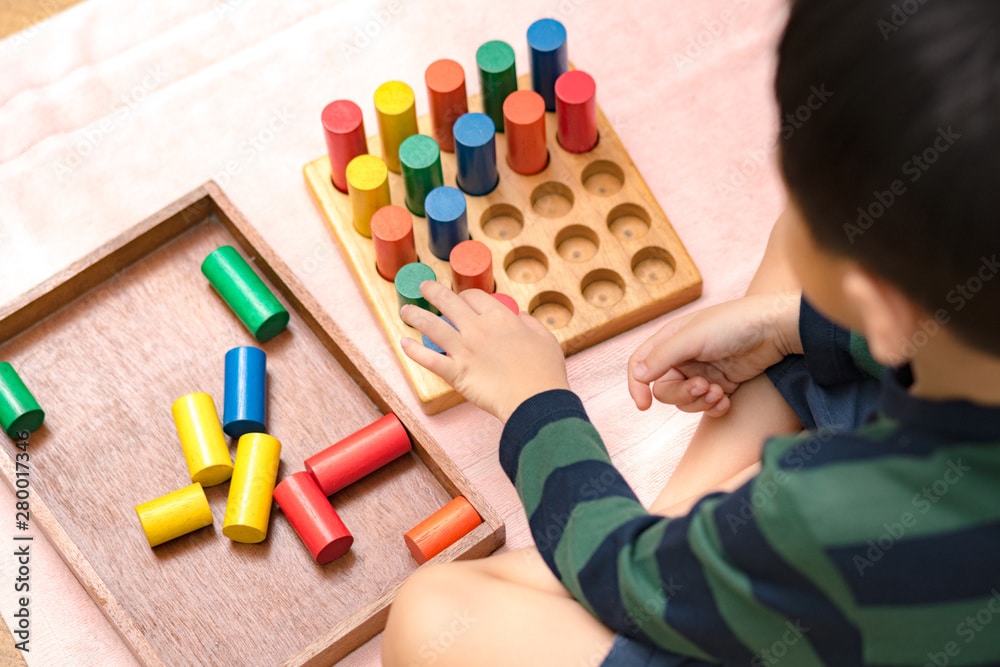
What you can do here is set up a corner (or if you can afford it, an entire room), where they can paint, craft, build, draw, sculpt – small projects/activities like that. They’ve got all the materials and tools needed to start as soon as creativity strikes. Of course, depending on the age of the child, make sure to keep (potentially) dangerous tools out of reach. Either way, teach your child how to use their crafting corner properly.
If you’ve got more than one child, this is also a great way to teach them to respect what other people create.
For example, if a sibling wants to take their parkers or touch/paint their artwork, they should ask first. It’s these types of moments that teach our children to stay engaged/occupied while also enabling them to grasp the concept of all people deserving their own personal space.
Conclusion
Children are still figuring out how to share space with others. They’re learning how to ask permission before grabbing. And how to create their own boundaries. The ideas above can give them a strong foundation for these things. Help them understand that respect goes both ways. Keep it going as your child grows up. Slowly, they’ll grow into people who know their boundaries and aren’t afraid to stand by them.
Loved this craft? More printable fun in the shop:
Browse the full shop•Complete Alphabet Bundle — $24.97•Uppercase Alphabet Crafts — $14.97