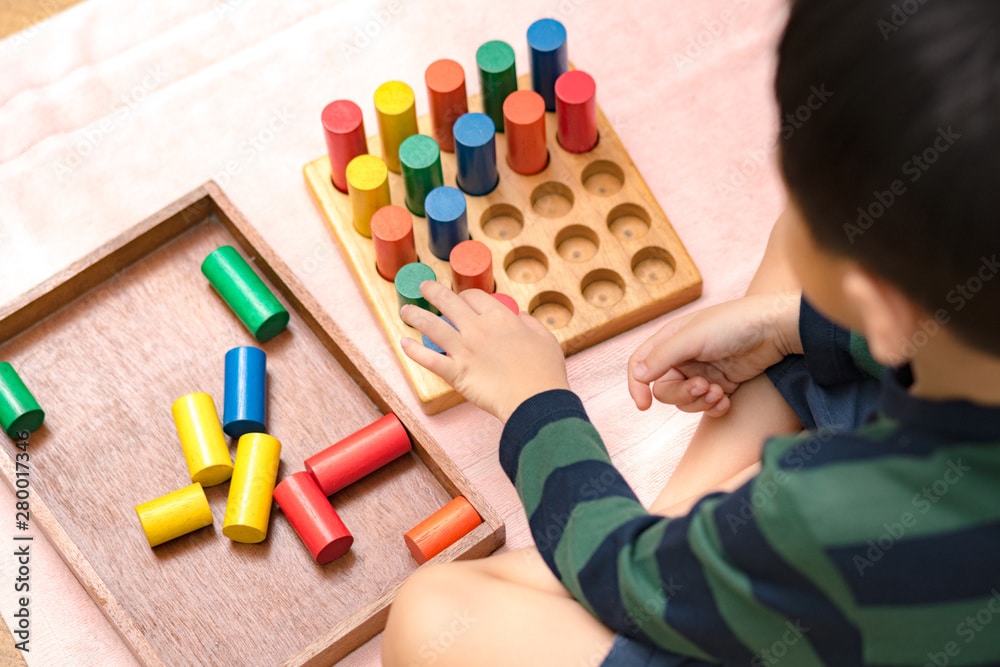
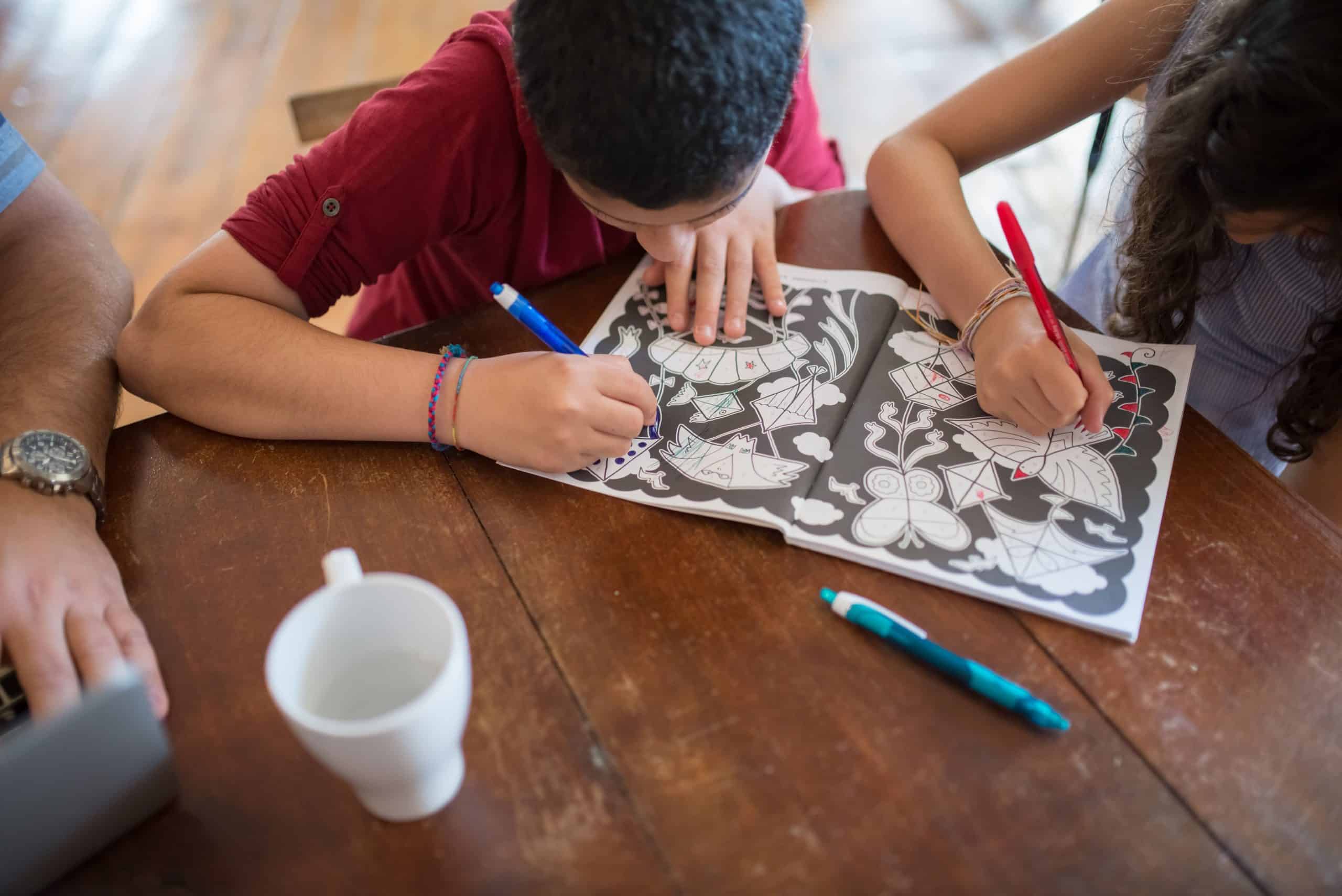
Kids do not need a picture-perfect art studio to become absorbed in drawing, cutting, building, or making something entirely from their imagination. Often, a small table, accessible supplies, and permission to make a little mess are enough. In Texas, where 24% of residents are under 18, creating family spaces that encourage play and creativity is relevant to a large share of households. A useful craft corner should feel inviting rather than precious: somewhere children can reach what they need, experiment without worrying about perfection, and spend time creating alongside parents or siblings.
Give Creativity a Place to Land
Children are more likely to use art materials when they can see and reach them.
That does not mean turning an entire room into a craft studio. A corner of the dining room, part of a playroom, or a small table near the kitchen can work perfectly well. What matters is giving creative activities a predictable home.
Keep everyday materials within easy reach: paper, crayons, washable markers, child-safe scissors, glue sticks, tape, stickers, and a few recycled materials such as cardboard tubes or clean boxes.
A dedicated spot also reduces the setup barrier. Instead of a parent having to unpack an activity every time inspiration strikes, children can begin creating more independently.
Let the Space Feel Bright and Comfortable
Natural light can make a craft area much more pleasant, especially for drawing, painting, reading instructions, or working with small pieces.
A table near a window can be ideal, provided glare and temperature are comfortable. If strong sunlight makes the space unpleasant at certain times of day, simple shades or curtains may help. Older windows that create drafts, heat buildup, or other comfort problems may also affect how often the area gets used.
A Texas windows company can help families assess whether older or inefficient windows are affecting comfort in the rooms children use most. In a craft or play area, better control of drafts, heat, and glare can make the space more inviting for reading, drawing, and other creative activities throughout the day.
Keep Supplies Simple Enough to Inspire Imagination
More craft supplies do not automatically create more creativity.
In fact, too many options can sometimes overwhelm younger children. A smaller collection of versatile materials often encourages more experimentation.
Paper, crayons, paint, fabric scraps, string, tape, old magazines, cardboard, and recycled packaging can become dozens of different projects. A box may turn into a spaceship one afternoon and a puppet theater the next.
There is real value in this open-ended approach. Encouraging self-expression through art gives children room to explore materials and create their own outcomes instead of simply copying a predetermined example.
That means parents do not always need to provide instructions. Sometimes the most useful prompt is simply, “What do you think you could make with this?”
Organize for Children, Not Adults
A beautifully organized craft shelf is not especially useful if children are afraid to touch it.
Storage should make cleanup easier without making the space feel overly controlled. Clear bins, open baskets, shallow drawers, or labeled containers can help kids understand where materials belong.
Keep frequently used items lower and more accessible. Supplies that require adult supervision—such as stronger adhesives, sharp tools, or materials unsuitable for younger siblings—can stay higher up.
The system does not need to remain perfect. The goal is for children to be able to find what they need and participate in putting things away afterward.
That small responsibility can become part of the creative routine rather than a battle that begins the moment the project ends.
Make Mess Part of the Plan
Crafting with kids gets much easier when parents stop expecting the space to remain spotless.
Paint spills. Paper scraps migrate. Glue somehow appears where nobody remembers putting it. Planning for that reality makes the whole experience more enjoyable.
Use a washable table covering or inexpensive mat underneath messier projects. Keep a damp cloth nearby and give children a designated place for scraps.
Old shirts can become paint smocks, while trays can help contain beads, pom-poms, or other small materials.
When cleanup is simple, parents are often more willing to say yes to spontaneous creative time. Children also learn that making a mess is fine when they help deal with it afterward.
Build Screen-Free Time Around Something Enjoyable
Reducing screen time tends to work better when children have something appealing to do instead.
A craft corner gives parents an easy alternative that does not require leaving the house or planning an elaborate activity. Children can draw comics, make cards, build paper animals, decorate boxes, or work on a family collage.
Simple screen-free activities for children can also remind parents that meaningful play does not require expensive toys or elaborate entertainment.
Keep a small “idea jar” near the craft table if children regularly say they do not know what to make. Fill it with slips suggesting things like drawing an imaginary animal, building something from cardboard, making a gift for someone, or designing a paper restaurant menu.
Let Parents Join Without Taking Over
Creative family time becomes less enjoyable when adults accidentally turn every activity into a lesson.
Children do not necessarily need corrections about which color something “should” be or instructions for making every project look polished. Joining them can simply mean making your own version, helping when asked, or talking while everyone works.
Try questions that encourage conversation rather than evaluation:
“What are you making?”
“How did you think of that?”
“What could you add next?”
These questions show interest without suggesting there is one correct finished product.
Parents may also find that crafting creates an unusually easy setting for conversation. Children who are busy drawing or building sometimes talk more freely because attention is shared between the activity and the discussion.
Display Some of What They Make
Children often enjoy seeing their work treated as something worth noticing.
A rotating display can be as simple as clips on a string, a section of the refrigerator, or a few inexpensive frames that are easy to update.
You do not need to save every piece forever. Let children choose favorites to display, photograph special projects before recycling them, or create a folder for a few pieces from each year.
This keeps the house from becoming an archive of every scrap of paper while still showing that their effort matters.
Let the Craft Corner Grow With Them
The best creative space is flexible.
A preschooler may use it for crayons, stickers, and finger painting. A few years later, the same table might support model building, jewelry making, sketching, school projects, or handmade gifts.
Supplies can change without rebuilding the entire area.
Pay attention to what children actually enjoy rather than stocking the corner based on what adults think they should enjoy. One child may love painting while another wants nothing but cardboard, tape, and construction projects.
A craft corner succeeds when it gets used.
It does not need matching storage, designer furniture, or an endless supply cabinet. It needs enough comfort, freedom, and accessible materials for creativity to become part of ordinary family life.
When children know there is always a place where they can sit down and make something, creative time stops feeling like a special event that requires preparation. It simply becomes one more enjoyable way for the family to spend time together.
Loved this craft? More printable fun in the shop:
Browse the full shop•Complete Alphabet Bundle — $24.97•Uppercase Alphabet Crafts — $14.97