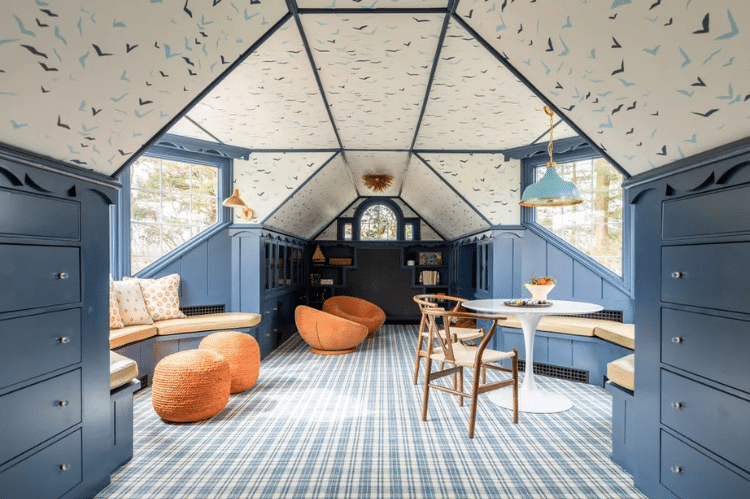
A creative playroom can become one of the most useful spaces in a family home. It gives children a place to imagine, build, draw, read, dress up, and explore while giving parents a clear place for toys, books, crafts, and learning materials.
The best playrooms feel welcoming, practical, and personal. A toddler may need soft floor space and easy-to-reach baskets, while an older child may need a craft table, a reading nook, or a display area for finished projects. When the room is designed with flexibility in mind, it can grow with the child instead of needing a full redesign every year.
A good playroom should support creativity without feeling chaotic. That balance comes from simple zones, smart storage, meaningful decor, and enough open space for movement.
Start With a Room That Can Change Over Time
Before choosing colors, furniture, or wall pieces, think about how the room may need to function in the next few years. A playroom for a three-year-old may center around floor play, pretend kitchens, blocks, and stuffed animals. By age six or seven, that same child may need space for puzzles, art projects, books, games, and school-related activities.
Start with basics that do not depend on one age group. Low shelves, soft rugs, open baskets, child-sized seating, and a sturdy table can work through several stages of childhood. These pieces make it easier to rotate toys, organize supplies, and adjust the room gradually.
Walls should also stay adaptable. Instead of filling every corner with permanent decorations, leave room for artwork, learning posters, name signs, family photos, or seasonal crafts. This keeps the room personal while allowing it to change with the child’s interests.
A strict theme is not necessary. Themes can be fun, but they often become outdated quickly. A room built around creativity, comfort, and personal details will last longer than one designed around a single character, color trend, or short-lived interest.
Use Personal Details to Make the Space Feel Special
Children often connect more deeply with spaces that feel like their own. Personal touches can turn a basic play area into a warm and thoughtful room. This might include a name sign, framed artwork, a growth chart, a cozy reading sign, or wall decor that reflects the child’s interests.
The goal is to add meaningful details without making the room too busy. A few carefully chosen pieces can have more impact than a wall full of competing colors and signs. Handmade-style accents, soft canvas prints, personalized pieces, and wood-framed decor can bring character into the space while keeping it calm.
A child’s room can feel more complete with personal pieces such as name decor, gentle nursery-style art, or Cherie Kay handcrafted decor that gives the space a warm, made-for-the-family feeling. These details help the room feel less like toy storage and more like a creative part of the home.
Choose decor that fits the family’s style instead of relying on loud or overly themed pieces. Neutral frames, soft colors, playful lettering, and child-friendly art can make the room cheerful while still blending with nearby living spaces.
Create Simple Zones for Different Types of Play
A playroom works better when children can understand how to use the space. Simple zones help them move from one activity to another without everything feeling scattered. A rug, shelf, basket, or small table can be enough to define an area.
A reading zone can include a few bookshelves, floor cushions, a small chair, or a soft blanket. A craft zone might have a child-sized table, washable supplies, paper, glue sticks, crayons, and a nearby bin for finished work. A building zone can hold blocks, magnetic tiles, train sets, or puzzles. A pretend-play zone can include dress-up clothes, dolls, play food, or simple props.
Each zone should be easy to recognize. When children know where things belong, they are more likely to use the room independently and help with cleanup. A clear layout also keeps the space from becoming overwhelming.
Zones can shift as children grow. A toddler’s sensory bin area may later become a homework table. A pretend-play corner may turn into a reading nook. A block area may become a board game shelf. Flexible sections allow parents to update one part of the room at a time.
Make Art and Craft Supplies Easy to Reach
Creativity grows when children can access materials without needing constant help. A playroom with simple craft supplies encourages kids to draw, cut, paste, color, build, and experiment. For younger children, supplies should be safe, washable, and easy to supervise. Older children may enjoy markers, stickers, craft paper, safety scissors, pipe cleaners, and simple project kits.
Open containers work well for everyday supplies. Clear bins, small cups, drawer organizers, and labeled baskets help children see what is available. If some materials need supervision, place them higher or in a closed container while keeping basic supplies within reach.
A craft table should be easy to wipe down and sturdy enough for glue, crayons, paint, and small projects. A nearby trash bin or recycling basket makes cleanup easier.
To keep supplies from taking over the room, rotate materials every few weeks. Offer a small selection based on the season, the child’s interests, or upcoming activities. This keeps the space fresh and helps children focus.
Support Learning Through Play
A creative playroom can support early learning in a natural way. Children learn through movement, pretend play, problem-solving, storytelling, sorting, building, and experimenting.
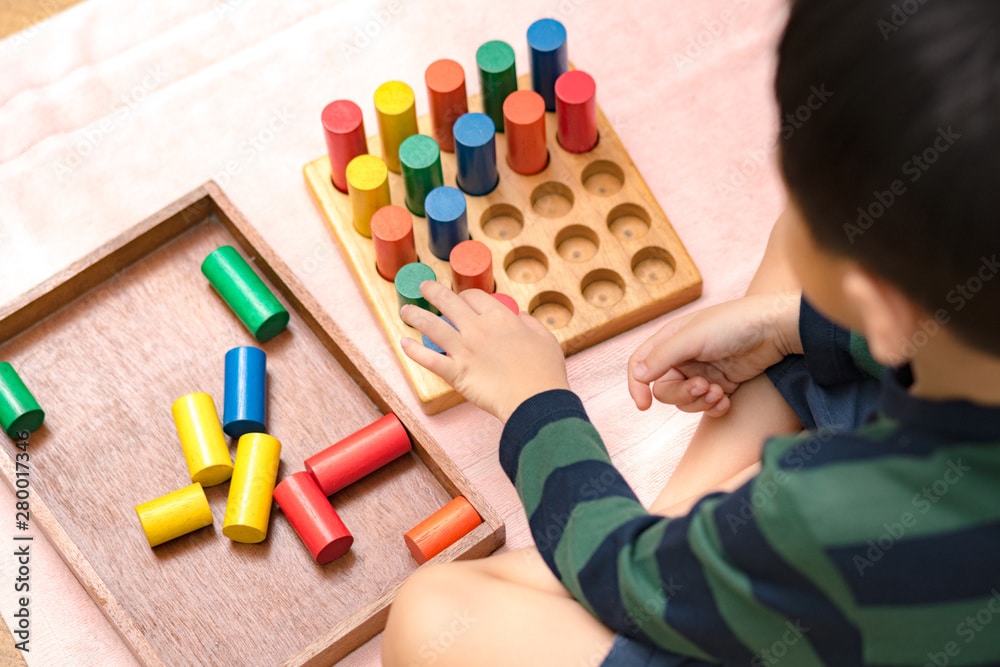
Blocks can teach balance, patterns, and spatial thinking. Pretend play can build language and social skills. Art projects can strengthen fine motor skills and self-expression. Reading corners can encourage quiet focus. Cleanup routines can help children practice sorting, decision-making, and responsibility.
Research and early childhood education resources often emphasize that play supports children’s learning and development, especially when children have opportunities to explore, create, and make choices. A playroom does not need to feel like a classroom to support learning. It only needs to give children materials they can use in meaningful ways.
Parents can add light educational touches without making the room feel formal. Alphabet prints, number posters, shape cards, maps, nature images, and labeled bins can all support learning while still feeling decorative. These pieces work best when they are easy to see, simple to understand, and connected to the child’s stage of development.
Add a Display Area for Finished Projects
Children feel proud when their work is noticed. A display area gives them a place to show drawings, paintings, paper crafts, seasonal projects, and printable activities. It can also make the playroom feel more personal and active.
The setup can be simple. Clipboards, string with clips, corkboards, magnetic boards, floating shelves, or a few frames can all work well. Choose a system that makes projects easy to change as new pieces are created.
Rotating artwork keeps the room from becoming cluttered. Choose a few favorites to display and update them regularly. Older pieces can be stored in a memory box, photographed, or turned into cards for relatives.
A display wall can also reflect the seasons. Snowflake crafts in winter, flower projects in spring, animal crafts in summer, and leaf art in fall can give the room a fresh feeling throughout the year.
When children see their work displayed, they learn that creativity has value. They also begin to see the playroom as a place where their ideas matter.
Choose Storage Kids Can Actually Use
Storage is one of the most important parts of a successful playroom. If children cannot understand the system, they will not be able to maintain it. Simple storage makes the room easier for everyone.
Open bins are often more useful than deep toy boxes because children can see what is inside. Cube shelves, baskets, rolling carts, and small drawers can also work well. For younger children, picture labels can show where items belong. Older children may be ready for word labels or color-coded containers.
Avoid putting too many toys in the room at once. A crowded playroom can make it harder for children to choose an activity. Toy rotation keeps the space manageable and can make older toys feel interesting again after a break.
Storage should match the zones in the room. Books belong near the reading area. Art supplies should stay near the craft table. Blocks should be close to the building space. Dress-up clothes should be near a mirror or pretend-play corner. When items are stored near where they are used, cleanup becomes easier.
Leave a few empty spaces on shelves when possible. A room does not need to be filled from corner to corner. Open space gives children room to move, think, and create.
Keep the Room Calm, Not Cluttered
Creative rooms are often colorful, but they do not need to feel chaotic. Too many bright colors, loud patterns, and crowded walls can make a room feel overstimulating. A calmer design can help children focus, especially when the room is used for both active play and quiet time.
Start with a simple base. Soft wall colors, natural textures, warm lighting, and a few playful accents can create balance. Then add personality through artwork, signs, books, toys, and handmade-style details.
Choose a few main colors and repeat them throughout the room. Baskets, rugs, pillows, and wall pieces can work together without matching perfectly. This helps the space feel organized even when toys are out.
Clutter can also be reduced by editing what stays in the room. Broken toys, missing puzzle pieces, dried-out markers, and unused items should be removed regularly. A quick monthly reset can make the space easier to enjoy.
A calm playroom still leaves room for imagination. When the room is not overloaded, children can focus more easily on the activity in front of them.
Make the Room Work for Family Routines
A playroom should fit the way the family actually lives. Some families use the room mainly for morning play. Others use it after school, during quiet time, or while parents work nearby. The layout should support those routines.
If the room is used for crafts, keep supplies close and cleanup tools nearby. If it is used for reading, make books easy to reach and seating comfortable. If siblings share the room, create
separate baskets or shelves for personal items. If the room is near the kitchen or living area, choose decor and storage that blend with the rest of the home.
A playroom can also support independence. Low hooks let children hang dress-up clothes. Small shelves let them choose books. Labeled bins help them put toys away. A simple daily cleanup routine can make the room easier to manage.
Homes that support children’s routines often include flexible areas, practical storage, quiet corners, and creative spaces. These kinds of features that make a home easier to grow up in can make daily life feel smoother for both parents and kids.
The room should be easy to update as family routines change. When a child outgrows certain toys, those shelves can hold books or games. When craft projects become more detailed, the table can be adjusted. When quiet time becomes homework time, a cozy corner can become a study spot.
Leave Space for Quiet Moments
Playrooms are often designed for activity, but children also need places to slow down. A quiet corner gives them a place to rest, read, look at books, or take a break from busy play.
This area can be simple. A soft rug, a floor cushion, a small bookshelf, and gentle lighting may be enough. Some families add a canopy, beanbag chair, stuffed animals, or a basket of calming books.
Quiet spaces are especially helpful in shared homes where children may need a small area that feels peaceful and safe. The corner should be easy to access and free from too many toys or distractions.
Wall decor in this area can be softer than in active play zones. Gentle colors, simple art, nature-inspired prints, or personal signs can help create a restful feeling while still fitting the rest of the room.
Conclusion
A creative playroom that grows with your child needs flexible furniture, simple zones, easy storage, personal details, and enough open space for imagination. When the room is designed around how children actually play and learn, it can support many stages of childhood.
The most useful playrooms are warm, practical, and easy to update. They give children space to create, display their work, read quietly, build new things, and feel at home. With thoughtful choices, a playroom can become a meaningful part of family life for years.
Loved this craft? More printable fun in the shop:
Browse the full shop•Complete Alphabet Bundle — $24.97•Uppercase Alphabet Crafts — $14.97