This post is sponsored
Creating a space for young children is a balancing act between functional necessity, personal style, and essential safety. Families change over time, and bedroom designs need to be flexible enough to handle rapid growth, changing hobbies, and new homework routines.
Choosing dependable kid room furniture helps create a room that is not only organized but also comfortable and motivating through each stage of a child’s growth.
Versatile Sleeping Solutions
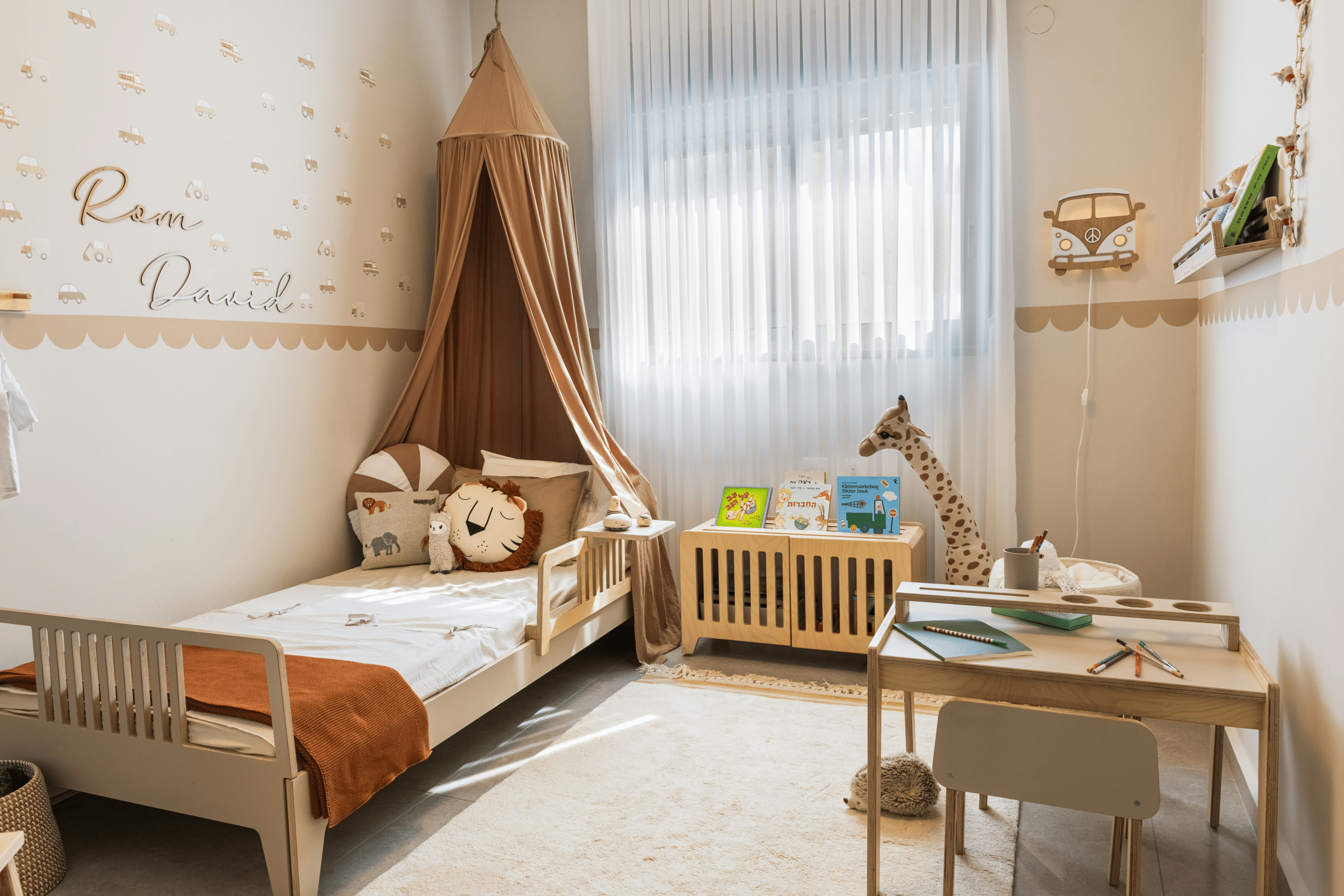
The bed is often the center of a child’s room and can determine the rest of the layout. Choosing a sleeping setup that can adapt over time can make the room more practical as a child grows.
Convertible cribs that transition into toddler beds can provide familiarity during the changes of early childhood. For shared bedrooms, bunk beds make the most of available floor space, leaving more room for active play and floor activities.
Trundle beds are another practical option, especially for families who occasionally need space for overnight guests without permanently giving up valuable bedroom space.
Storage can also be incorporated directly into the sleeping area. Drawers built into the base of a bed provide an easy place to keep:
- Extra bedding
- Seasonal clothing
- Toys and games
- Infrequently used belongings
Materials matter, too. Solid wood or strong, non-toxic materials can help furniture withstand years of everyday use and energetic activity. Smooth, rounded edges may reduce the risk of bumps during playtime, while appropriate safety rails can provide additional security for younger children.
Adaptable Study and Storage Stations
An organized room is much easier to maintain when children can easily access the things they use every day.
Low-profile shelving allows younger children to reach their own books, toys, and activity bins. Giving children access to their belongings can also encourage independence and make cleanup a more manageable part of their routine.
As children reach school age, an adjustable study desk can provide a designated area for homework, reading, drawing, and other creative activities.
Modular storage systems are especially useful because they can change along with a child’s interests. Removable bins that once held oversized blocks and stuffed animals can eventually be reorganized to hold art supplies, school materials, books, or hobby equipment.
Don’t Overlook Light and Comfort
Good natural light and proper ventilation can make study and play areas feel much more inviting.
Experts such as Calgary Canadian Choice Windows and Doors can replace fixtures around the space to help improve temperature control, reduce outside noise, and increase the amount of natural light entering the room. These improvements can help create a more comfortable study and activity area throughout the seasons.
Ergonomic Seating and Play Zones
A balanced child’s bedroom needs more than a place to sleep and store belongings. Comfortable seating and a dedicated area for play can make the room much more functional.
Bean bags, child-sized armchairs, and floor cushions create inviting places for children to read, relax, or enjoy quiet activities. Lightweight seating is particularly useful because children can move it around themselves and create different arrangements depending on what they are doing.
A soft, washable rug can help define a floor-level activity zone while protecting the flooring underneath from spills, scratches, and dropped toys.
Furniture that serves more than one purpose can also help maximize limited space. For example, storage ottomans and bench seats with flip-top lids provide additional seating while offering a discreet place to store board games, stuffed animals, blankets, or toys.
Creating a Room That Grows With Your Child
The most practical children’s rooms are designed with change in mind. Furniture does not necessarily need to be replaced every time a child reaches a new stage.
By combining flexible sleeping arrangements, adaptable storage, comfortable seating, and designated areas for study and play, parents can create a balanced room that supports everyday routines while remaining useful as their child grows.