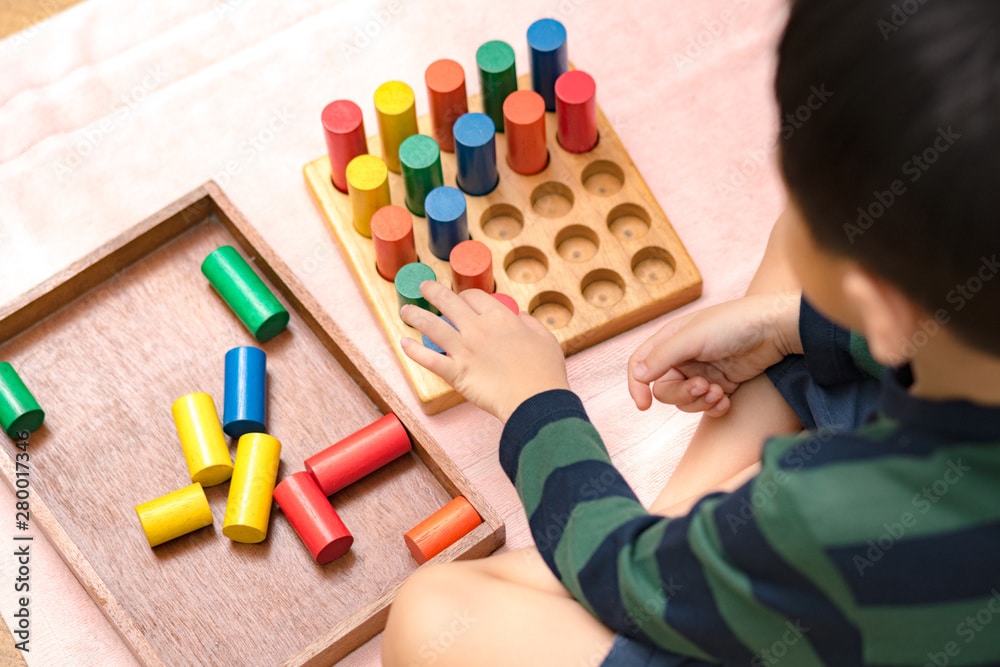
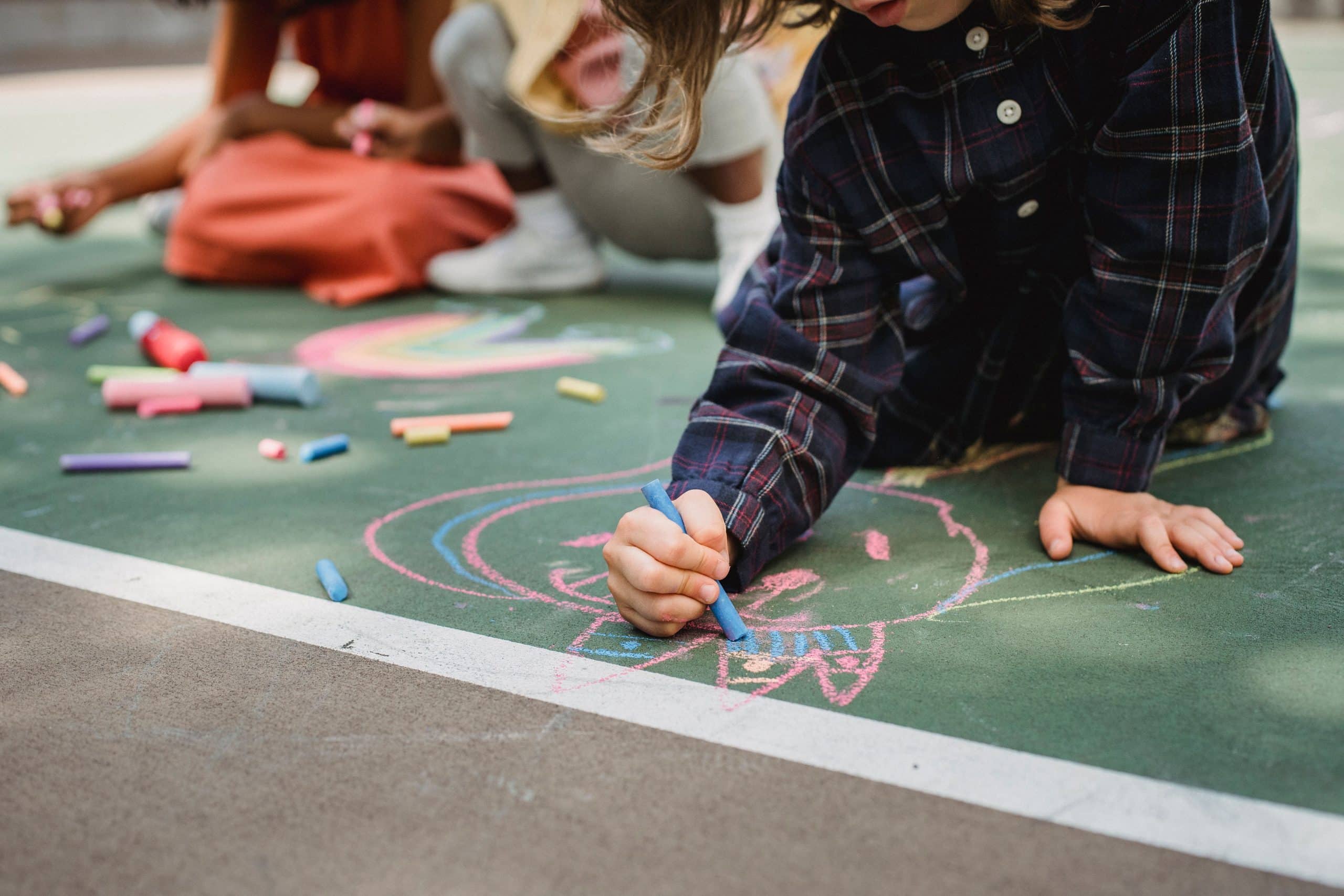
Learning to read is no longer deemed as something special. All kids have access to free, quality education, but it’s still a significant milestone worth aiming for and celebrating when it’s achieved. Not all traditional devices for learning work for everyone, though. Especially young children learn best through games instead of traditional drilling exercises. Integrating learning into everyday games is a sure way to help kids. When children paint, cut, sculpt, and arrange materials, they engage multiple sensory pathways simultaneously, making skill building letter recognition far more successfull.
Crafting time aligns naturally with early childhood education principles. By blending artistic freedom with foundational reading strategies, parents and educators cultivate a love for books without causing frustration. Combining craft activities with early literacy skills helps children build connections between spoken language, visual symbols, and fine motor movement. This guide explores practical methods to turn daily craft sessions into a dynamic, low-stress literacy environment.
The Multisensory Connection: Why Crafts Boost Early Literacy
Preschoolers do not learn abstract symbols effectively through passive listening or visual memorization alone. Neurologically, combining fine motor movement with visual and auditory cues creates stronger synaptic connections in developing brains. Early fine motor skills and visual-spatial processing are directly tied to future reading achievements. When a child crafts the letter “S” out of textured silver glitter, the physical creation reinforces the sound, shape, and spatial memory of that character.
While incorporating structured literacy games into art projects provides early writing help alongside phonics development, young artists simultaneously build the physical strength needed for pencil control. This tactile interaction bridges the gap between seeing a letter on a page and understanding how it represents a spoken sound. As children squish playdough, glue pom-poms, or cut paper, their visual memory captures letter shapes far more effectively than passive flashcards ever could. Furthermore, arts and crafts encourage organic dialogue between adults and children, prompting descriptive conversations that naturally build vocabulary and phonological awareness.
Letter-Craft Matching: Building Phonics and Sight Recognition
One of the most effective strategies for introducing print concepts during art sessions is letter-craft matching. Instead of tracing letters on paper, children transform alphabet characters into physical objects that reflect their corresponding sounds. For instance, the letter “A” can become an alligator with paper teeth, while “B” morphs into a bumblebee decorated with yellow yarn. This method pairs visual mnemonics with phonetic sounds, giving children a memorable anchor to recall letter names.
Hands-on manipulation of learning materials enables young children to internalize complex symbolic ideas much faster than abstract drills allow. Beyond individual alphabet characters, letter crafts can be adapted for early sight word practice and name recognition. When children assemble their own names using colorful craft materials, they develop a strong sense of ownership over written language.
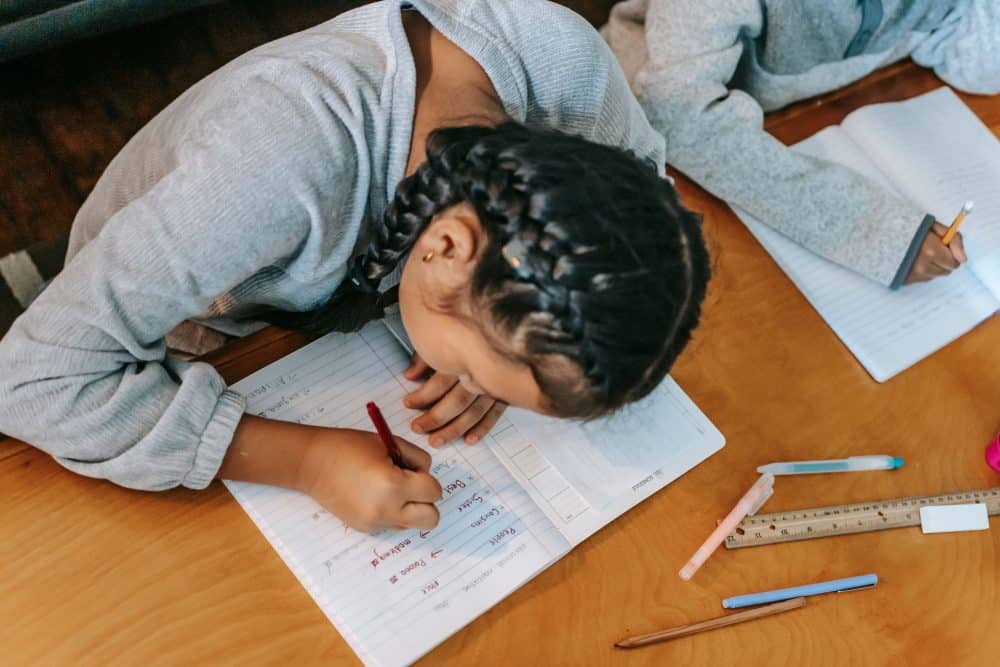
Key letter-craft activities for early readers include:
- Animal Alphabet Cutouts: Cut large block letters out of cardstock and provide themed embellishments, such as gluing cotton balls on a “C” to make a cat, reinforcing letter-sound relationships through tactile art.
- Textured Tracing Cards: Apply liquid craft glue in the shape of target sight words onto thick cardboard, sprinkle with sand, and let it dry to create tactile cards for finger-tracing exercises.
- Playdough Word Construction: Roll dough into thin ropes and mold them over printed letter templates, allowing young learners to feel the physical curves of each letter as they build simple words.
- Alphabet Sticker Collages: Draw target letters on butcher paper and have children place matching stickers along the outline of each letter, strengthening hand-eye coordination alongside visual discrimination.
Storytelling Collages and Story Stones: Enhancing Comprehension
Reading comprehension involves much more than decoding printed words on a page. It requires a child to grasp narrative sequence, character motivations, and plot structures. Crafting provides an exceptional medium for deepening story comprehension because it allows children to reconstruct narrative elements outside the pages of a book.
After reading a picture book together, invite your child to create a storytelling collage or set of story stones. Story stones are small, smooth river rocks decorated with images representing central characters, settings, and key story items. Once the craft is complete, children can physically arrange the stones in chronological order to retell the story in their own words.
This hands-on retelling process encourages active listening during read-aloud sessions because children know they will build the world of the book afterward. Ask open-ended questions while they paint or paste, such as asking which character should be crafted first or what happened after the rabbit lost his key. These guided interactions teach critical thinking, narrative comprehension, and sequencing.
Labeling Masterpieces: Linking Written and Spoken Words
To cultivate print awareness, which is the understanding that written marks represent spoken words, children need to see their thoughts translated into print. Crafting offers an organic platform for dictation and labeling activities. Whenever a child finishes a painting or sculpture, resist the urge to offer generic praise. Instead, ask them to describe what they made and offer to write their words directly on the artwork or on an attached label.
Sit beside your child and say the words out loud slowly as you write them down. You might write, “You painted a big red barn with a horse standing outside.” Point to the individual words as you read the caption back to them. Over time, children begin to connect spoken sounds to specific letter groupings and understand how words form complete sentences.
As their familiarity grows, encourage them to take part in the labeling process. They can write the initial letter of a word while you fill in the rest, or use letter stamps to stamp out simple titles like “SUN,” “DOG,” or “TREE.” This collaborative approach builds confidence, demystifies writing, and reinforces the relationship between oral language and printed text.
Essential Craft Supplies for Early Reading Success
You do not need an expensive setup or a dedicated art studio to merge literacy with crafting. Simple art materials often yield the most effective learning experiences. Keeping a dedicated literacy craft bin stocked with accessible supplies makes it easy to incorporate reading practice into spontaneous art sessions.
Consider keeping the following low-prep items in your early literacy art kit:
- Alphabet Stamps and Ink Pads: Excellent for building print awareness, spelling short words, and developing fine motor precision without requiring advanced pencil control.
- Foam Letter Stickers and Gems: Perfect for quick letter-sorting activities, initial-sound matching, and building tactile sight word collages.
- Craft Sticks and Pipe Cleaners: Flexible materials that allow children to construct geometric letter shapes, sentence frames, and puppet sticks for story retells.
- Safety Scissors and Textured Papers: Cutting felt, sandpaper, corrugated cardboard, and aluminum foil builds finger dexterity while offering unique sensory feedback.
- Shaving Cream and Washable Paint: Ideal for sensory trays where children can trace letters or write simple CVC words directly into liquid mediums using their index fingers.
Creating a Joyful, Low-Pressure Learning Environment
The ultimate goal of integrating reading instruction into craft time is to make early literacy intuitive, joyful, and stress-free. Preschoolers learn most effectively when they feel safe to experiment, make mistakes, and explore without strict guidelines. Avoid treating craft activities as formal assessments, as the focus should always remain on creative expression and interactive dialogue rather than perfection.
If a child glues an alphabet sticker upside down or paints a letter “E” with five arms instead of three, celebrate their effort first. Gentle guidance can follow naturally within play. You can say, “Look at those extra arms on your letter! Let’s count how many horizontal lines a standard E usually has.” By keeping the atmosphere light, encouraging, and collaborative, you cultivate a positive association with reading that will benefit your child for years to come.
Through thoughtful craft projects, simple materials, and active conversation, early reading becomes less of an academic task and more of a creative adventure. By blending art and literacy, you empower your preschooler to see letters and words not as intimidating abstract symbols, but as exciting tools for expression and storytelling.
Loved this craft? More printable fun in the shop:
Browse the full shop•Complete Alphabet Bundle — $24.97•Uppercase Alphabet Crafts — $14.97