This post is sponsored
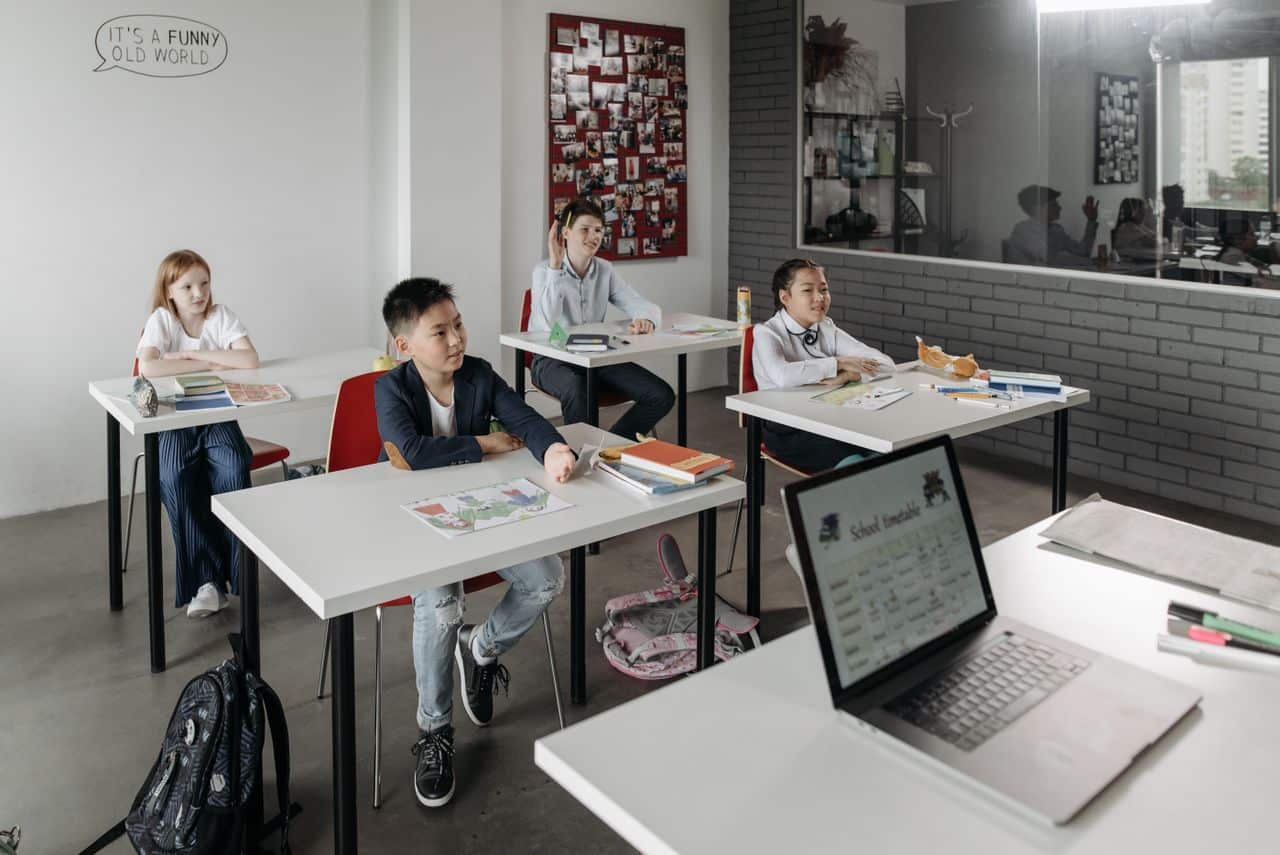
Mastering a new language requires more than memorizing vocabulary and grammar rules. True fluency depends heavily on auditory comprehension, where traditional textbook exercises often fall short. Auditory processing involves picking up subtle nuances, intonations, and cultural contexts that static text simply can’t convey. Are classrooms fully equipping learners to hear these subtle differences?
Innovative educational tools are reshaping auditory training, making it highly interactive and engaging. Utilizing physical or digital auditory triggers creates a dynamic environment that reinforces memory retention. By introducing controlled auditory stimuli, educators isolate specific phonetic sounds, making the learning process both highly effective and surprisingly enjoyable.
How Can Educators Implement Audio Tools in Lesson Plans?
Integrating these interactive auditory resources into the daily curriculum requires a strategic approach rather than random application. By focusing on targeted exercises, teachers create highly structured environments. Here’s a closer look at the exact elements involved:
Phonetic Isolation Exercises
Focusing on individual phonemes helps learners distinguish between similar sounds that might not exist in their native tongue. Pressing an audio button to hear a tricky consonant cluster repeatedly allows students to practice mimicking the pronunciation at their own pace without feeling rushed by a fast-paced classroom environment.
Vocabulary Association Games
Linking a spoken word to a visual cue or action reinforces memory retention significantly. Teachers use interactive buttons to play a specific vocabulary word, asking students to match it with corresponding images. This active participation solidifies the direct connection between the spoken sound and meaning.
Scenario-Based Roleplay
Recreating real conversations prepares learners for actual interactions. Using physical buttons to trigger specific phrases or background noises adds realism to roleplay activities. Students practice responding to these unpredictable auditory cues, which builds conversational confidence for speaking and listening in real-world situations.
Why Are Auditory Triggers Effective for Language Comprehension?
Spoken language happens rapidly, requiring the brain to decode phonemes in mere milliseconds. Educators use targeted sound effects for listening skills from platforms like the https://soundbuttonslab.com/ to provide targeted auditory practice that improves overall comprehension. This method stops lectures from blurring words together, preventing early beginner frustration completely.
Repeating these isolated audio bites forms strong neural pathways associated with auditory recognition. A prevalent myth suggests passive listening to foreign radio achieves fluency alone. Active engagement with specific, repeated audio cues actually yields much faster results by forcing the brain to identify unfamiliar patterns.
What Real-World Results Do Interactive Audio Methods Produce?
Consider a recent observation from a secondary school language department. Instructors replaced standard dialogue tapes with individual, clickable audio triggers on student tablets. Many instructors note that replacing standard dialogue tapes with clickable audio triggers often leads to a noticeable improvement in students’ phonetic differentiation scores.
This approach works similarly to tuning a musical instrument. Just as a musician needs to hear a precise, isolated note to tune a guitar string correctly, a language learner needs distinct, uncluttered auditory signals to calibrate their ear to an entirely new phonetic frequency range.
Where Should Teachers Focus Their Auditory Training Efforts?
Start by identifying the most challenging phonemes for the specific demographic you are teaching. For example, native English speakers often struggle with rolled consonants in Spanish or tonal shifts in Mandarin. Focus initial training heavily on these specific trouble spots to build solid foundational confidence.
Utilize resources from reputable educational organizations to find standard pronunciation guides. Researching phonetic structures through resources provided by the Linguistic Society of America offers a solid starting point. Creating custom audio boards based on these exact linguistic challenges facilitates a highly effective, targeted learning session.
When Should Students Transition from Isolated Sounds to Full Sentences?
Timing this transition correctly ensures learners don’t become reliant on isolated audio cues. Once students can accurately identify and mimic the individual phonemes without hesitation, it’s time to introduce short, practical phrases. This careful, gradual progression prevents frustration while steadily building conversational stamina and fluency.
Many educators consult guidelines from the Department of Education regarding the language acquisition milestones. The consensus advises moving to sentence-level comprehension only after foundational phonetic accuracy is achieved. Rushing this process often results in poor pronunciation habits that become incredibly difficult to correct later.
Frequently Asked Questions About Listening Skills
Why do physical buttons work better than simply playing an audio file?
Physical interaction adds a tactile element to learning. Pressing a button engages motor skills alongside auditory processing, creating a multisensory experience that improves memory encoding. This hands-on approach keeps attention levels high during repetitive exercises.
When is the best time to introduce interactive audio tools to beginners?
Introduce these tools during the very first week of instruction. Establishing strong auditory recognition early prevents the formation of bad pronunciation habits. Early implementation ensures learners become comfortable with foreign sounds before heavily engaging with written text.
What types of audio files are most effective for language retention?
Short, high-quality recordings of native speakers articulating single words or brief phrases work best. Clear pronunciation without background noise prevents distraction. The National Institutes of Health emphasizes the importance of clear auditory signals for cognitive processing and memory formation.