When you’re a new parent, the list of things to worry about feels endless. Among the practical concerns that often gets overlooked, though, is the cleanliness of feeding equipment. Baby bottles, nipples, and pump parts come into contact with your baby’s mouth multiple times a day, making thorough cleaning and sanitization genuinely important for their health and your peace of mind.
Most parents start by washing bottles by hand or tossing them in the dishwasher, assuming that hot water and soap are enough. But the reality is more nuanced. Babies have developing immune systems, and their feeding equipment deserves more attention than standard washing provides. Understanding why proper bottle hygiene matters and what methods actually work can help you feel more confident in your routine and protect your little one from unnecessary illness. Whether you’re exclusively bottle feeding, supplementing with formula, or storing expressed breast milk, the stakes are real enough to warrant a closer look at your current approach. Some parents find that specialized solutions, like a baby bottle warmer, can be part of a broader feeding hygiene strategy that keeps equipment safe and ready to use.
The Hidden Risks of Inadequate Bottle Cleaning
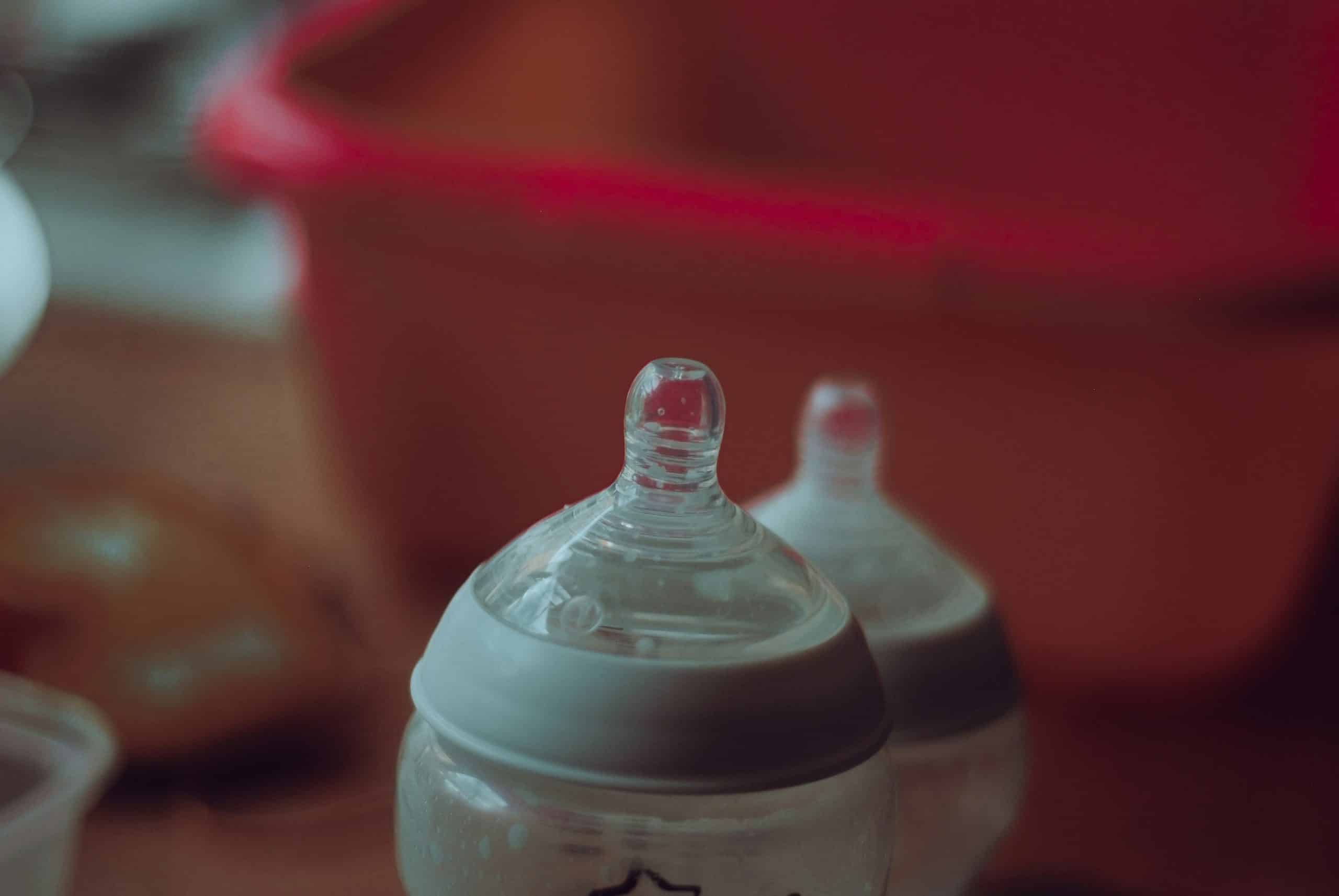
Standard dishwashers and hand washing with regular dish soap don’t always remove all the residue that accumulates on bottles and nipples. Milk proteins, formula buildup, and biofilm can linger in hard-to-reach places, especially inside nipple holes and around bottle threads. These deposits create an environment where bacteria can thrive, potentially leading to infections like thrush or gastroenteritis in your baby.
Hard water presents another challenge that many parents don’t consider. Mineral deposits from tap water can coat bottles and leave a cloudy film that harbors bacteria. If you live in an area with hard water, standard washing becomes even less effective. Additionally, modern tap water may contain trace chemicals and contaminants that you’d prefer not to expose your baby to repeatedly.
The risk isn’t theoretical. Babies under three months old are particularly vulnerable to foodborne illness and infections spread through contaminated feeding equipment. Even older infants benefit from cleaner bottles, as their immune systems are still developing. This is why pediatricians and lactation consultants consistently emphasize the importance of thorough bottle sanitization as part of a healthy feeding routine.
Understanding Sanitization Versus Cleaning
It’s important to recognize that cleaning and sanitizing are two different processes. Cleaning removes visible dirt and residue using soap and water. Sanitizing goes further by using heat or chemicals to kill bacteria, viruses, and other microorganisms that cleaning alone might miss.
Most parents need both steps in their routine. First, you rinse bottles immediately after use to prevent milk from drying and hardening. Then you wash them thoroughly with hot soapy water, paying special attention to crevices and nipple holes. Finally, you sanitize using steam, boiling water, or a chemical solution.
Steam sanitization is popular because it’s chemical-free and highly effective. Boiling bottles for ten minutes also works well, though it requires careful monitoring and can be time-consuming. Chemical sanitizers offer convenience for parents on the go, though some prefer to avoid them if possible.
The challenge is that this multi-step process takes time and attention. Many busy parents cut corners, either skipping sanitization altogether or doing it inconsistently. Understanding the “why” behind each step can help you stay motivated to maintain the routine, even on exhausting days.
Practical Strategies for Staying Consistent
Consistency matters more than perfection when it comes to bottle hygiene. Establishing a routine that fits your lifestyle makes it easier to maintain over the long term. Some parents wash bottles immediately after each use, while others batch-wash once or twice daily. Neither approach is wrong; what matters is finding a system you’ll actually stick with.
Designating a specific area for dirty bottles helps prevent them from piling up around your kitchen. A dedicated drying rack keeps clean bottles organized and accessible. If you’re using multiple bottles throughout the day, having enough clean ones on hand reduces the pressure to rush through the washing process.
For parents who travel frequently or spend time away from home, portable sanitization options can be lifesavers. These allow you to maintain your hygiene standards even when you’re not in your own kitchen. Some parents also keep a backup set of bottles at a grandparent’s house or daycare to reduce the number of bottles that need to be transported and washed daily.
Building Bottle Hygiene Into Your Feeding Routine
Rather than viewing bottle cleaning as a separate chore, many parents find it helpful to integrate it into their overall feeding routine. Washing bottles right after feeding prevents milk from drying on, which makes cleaning easier. Sanitizing bottles before bed ensures you have clean equipment ready for nighttime feeds.
If you’re exclusively bottle feeding, you might establish a rhythm where you wash bottles in the morning and sanitize them in the evening. If you’re combination feeding or exclusively pumping, your routine might look different. The key is creating a system that feels manageable within your daily schedule.
Involving your partner or support person in the routine also helps. When both caregivers understand the importance of proper bottle hygiene and know how to execute it, the responsibility doesn’t fall entirely on one person. This shared approach reduces burnout and ensures consistency even on days when one parent is particularly tired.
When to Replace Bottles and Equipment
Even with excellent cleaning practices, bottles and nipples don’t last forever. Silicone nipples typically need replacement every one to three months, depending on use and wear. Plastic bottles can become cloudy or develop small cracks over time, creating crevices where bacteria can hide.
Regularly inspecting your bottles and nipples for signs of wear helps you catch problems early. If a nipple has enlarged holes, is cracked, or shows discoloration, it’s time to replace it. Similarly, if a bottle has become cloudy despite proper cleaning or has visible damage, it’s safer to retire it.
Keeping track of when you purchased bottles helps you remember when replacement is due. Some parents mark their bottles with the purchase date using a permanent marker. Others set phone reminders to check their equipment quarterly.
Conclusion
Maintaining clean, sanitized baby bottles is one of the most straightforward ways to protect your baby’s health during their vulnerable early months. While it requires time and attention, the effort is worthwhile. By understanding why proper hygiene matters, learning the difference between cleaning and sanitizing, and building a sustainable routine that works for your family, you can feel confident that your baby’s feeding equipment is as safe as possible. Every parent deserves to feel secure in this aspect of caregiving, and a consistent approach to bottle hygiene is one way to achieve that peace of mind.