
This post is sponsored
Quiet time is essential for your child’s development, and creating educational busy bags in under 10 minutes is a great way to enhance their learning. Start with a sturdy bag, pack engaging materials like puzzles and storybooks, and pick a fun theme. Tailor activities for different age groups and involve your child in choosing what they want. This keeps things fresh and exciting! You’ll discover more on how to keep your child engaged and happy during quiet time.
How Quiet Time Enhances Kids’ Learning and Well-Being
While kids juggle the demands of school, friendships, and extracurricular activities, incorporating quiet time into their daily routine can greatly enhance their learning and well-being.
This peaceful space allows them to recharge, fostering cognitive development as they process their thoughts and experiences. When children engage in quiet activities, they enhance their focus and creativity, laying the groundwork for academic success.
Additionally, quiet time is essential for emotional regulation; it helps kids learn to manage stress and navigate their feelings. By carving out these moments of tranquility, you empower your child to develop resilience and self-awareness.
Create Your Simple Busy Bag
Creating a simple busy bag is a fantastic way to keep your little ones engaged during quiet time.
You only need a few essential materials, and assembling the bag is quick and easy.
Plus, you’ll find plenty of fun activity ideas to spark their creativity and learning!
Essential Materials Needed
To guarantee your quiet time is productive and enjoyable, assembling a simple busy bag filled with essential materials is key.
Start with a sturdy bag that’s easy to grab and go. Next, gather educational materials like puzzle pieces, coloring books, or simple science kits that spark curiosity.
Include essential supplies such as crayons, markers, or age-appropriate scissors for hands-on activities. Don’t forget a few engaging storybooks to inspire imagination.
You want a mix of tactile and visual elements that cater to your child’s interests. By curating a selection of versatile items, you empower your little one to explore and learn independently, giving you the precious freedom to enjoy your own quiet time too.
Quick Assembly Steps
Assembling your simple busy bag can be a quick and enjoyable process with just a few straightforward steps.
You’ll love how easy organization can lead to hours of fun for your little ones. Here’s how to do it:
- Choose a Theme: Pick an engaging theme, like animals or colors, to keep your child interested.
- Gather Materials: Collect items that fit your theme, such as coloring sheets, small toys, or puzzles.
- Pack it Up: Place everything in a clear, resealable bag to make it easy to see and access.
With these quick assembly steps, you’ll have a ready-to-go busy bag in under 10 minutes.
Enjoy the freedom of knowing your child has a fun, educational activity on hand whenever you need it!
Fun Activity Ideas
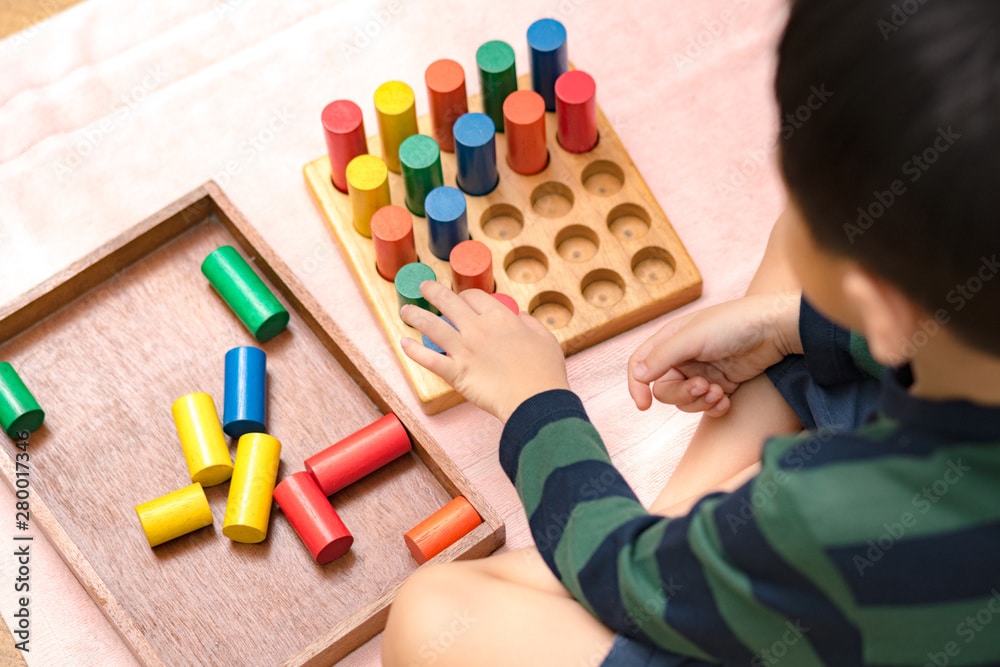
There’s no shortage of fun activity ideas you can include in your busy bag to keep your child entertained and learning. For instance, consider adding items for sensory play, like textured fabrics, play dough, or rice. These materials invite tactile exploration, sparking curiosity and creativity.
You can also include art supplies, such as crayons and paper, to encourage creative exploration. Simple puzzles or matching games foster problem-solving skills while keeping your little one engaged.
Don’t forget to incorporate small toys or natural objects, like pinecones or rocks, to stimulate imaginative play. Remember, the goal is to create an enriching environment that nurtures your child’s independence and creativity, all while having fun!
Get started on your busy bag today!
Fun Activities for Different Age Groups
While every child is unique, engaging activities can cater to different age groups and keep them entertained during quiet time. Here are three fun ideas:
- Toddlers (Ages 1-3): Set up a sensory play station with items like rice, beans, or water beads. This encourages exploration and fine motor skills.
- Preschoolers (Ages 4-5): Create a storytelling prompts bag filled with picture cards. They’ll ignite imaginative play and artistic expression as kids spin their tales.
- Early Elementary (Ages 6-8): Introduce building blocks and educational games that promote problem-solving skills. You can even add nature exploration activities for some outdoor movement.
These activities foster creativity and learning, ensuring quiet time is both enjoyable and enriching!
Personalize Your Quiet Time Curriculums for Engagement
To truly engage children during quiet time, personalizing your curriculums can make all the difference. Start by incorporating personalized themes that resonate with your child’s interests, whether it’s dinosaurs, space, or fairy tales. These themes can guide your choice of activities, making them more appealing and relatable.
Next, pay attention to your child’s activity preferences. Some kids thrive with hands-on tasks, while others prefer puzzles or art projects. By mixing these elements, you create a dynamic and exciting experience that keeps them invested.
Don’t hesitate to involve your child in the process; ask them what they’d like to explore. This sense of ownership boosts their enthusiasm and makes quiet time a cherished part of their day.
Rotate Busy Bags to Keep Kids Engaged
Incorporating personalized themes into your quiet time curriculums sets the stage for even more engagement through rotating busy bags. A busy bag rotation keeps things fresh and exciting for your child, preventing boredom and encouraging exploration.
Here are three simple steps to make it work:
- Create Themed Bags: Select themes like animals, seasons, or letters to match your child’s interests.
- Set a Schedule: Rotate the bags weekly or bi-weekly to maintain child engagement and anticipation.
- Involve Your Child: Let them choose which bag to explore next, fostering independence and excitement.
Benefits of Quiet Time Curriculums for Parents and Caregivers
Quiet time curriculums offer you a chance to foster enhanced focus and calm in your children, making your home a more peaceful place.
These programs also encourage independent learning, allowing kids to explore at their own pace while you enjoy some quality time for yourself.
With the right approach, you can create a win-win situation that benefits both you and your little ones.
Enhanced Focus And Calm
Calmness and focus are essential traits that can greatly enhance a child’s learning experience, and implementing a quiet time curriculum can foster these qualities.
By incorporating mindfulness techniques and sensory activities, you create an environment that nurtures tranquility and concentration.
Here are three benefits of a quiet time curriculum:
- Improved Attention: Engaging in focused activities allows children to practice their attention spans, making them better learners.
- Emotional Regulation: Mindfulness techniques help children manage their emotions, leading to a calmer state of mind.
- Creative Exploration: Sensory activities encourage creativity and imaginative play, allowing kids to express themselves freely while staying grounded.
Embrace these strategies to cultivate an atmosphere where your child can thrive!
Independent Learning Opportunities
Creating a peaceful atmosphere not only benefits children but also opens up valuable independent learning opportunities for parents and caregivers.
With quiet time, you can encourage your little ones to engage in independent exploration, allowing them to discover their interests without constant guidance. This self-directed learning fosters creativity and critical thinking, empowering children to take ownership of their education.
As your child immerses themselves in activities—a skill that is particularly useful if they eventually transition to a virtual elementary school—you gain precious moments to focus on your own pursuits or simply recharge. This balance nurtures a sense of freedom for both you and your child.
Quality Caregiver Time
While you enjoy those peaceful moments of quiet time, you’re not just giving your child the chance to learn independently; you’re also investing in your own well-being as a caregiver.
These moments create a space for quality interactions that strengthen your bond. Here are three benefits of incorporating quiet time curriculums:
- Enhanced Bonding: You can engage in meaningful conversations during shared activities, reinforcing your connection.
- Reduced Stress: Taking a breather allows you to recharge, leading to a more patient and present mindset.
- Focused Attention: Quiet time lets you reflect on your child’s growth, enabling you to tailor your caregiving approaches.
Conclusion
Incorporating quiet time curriculums into your child’s routine can spark serenity and stimulate success. By crafting simple busy bags, you’ll not only foster focus but also fuel fun learning experiences. With a rotating selection, you’ll keep curiosity alive and engagement exceptional. So, embrace the art of quiet time, and watch your little ones flourish in their newfound freedom. Remember, a few moments of calm can cultivate creativity and confidence in their growing minds!