
This post is sponsored
A home or classroom is more than just a place to live or learn—it’s where little minds grow, creativity blossoms, and everyday routines become comforting rituals. For preschool teachers and parents alike, balancing beauty with practicality is essential. Spaces must be welcoming and inspiring, yet durable enough to handle spills, finger paint, and constant activity. With thoughtful design choices, you can create environments that support learning, imagination, and family life while still reflecting warmth and style.
One way to achieve this balance is by incorporating copper accents. Copper brings natural warmth, durability, and timeless elegance to any space—qualities that are especially valuable in homes and classrooms filled with young children. It stands up to daily use, is easy to clean, and ages beautifully, making it ideal for environments where function truly matters.
This post may contain sponsored content or affiliate links. I only share resources I genuinely believe will help families and educators.
The Heart of the Home: Designing Functional Kitchens
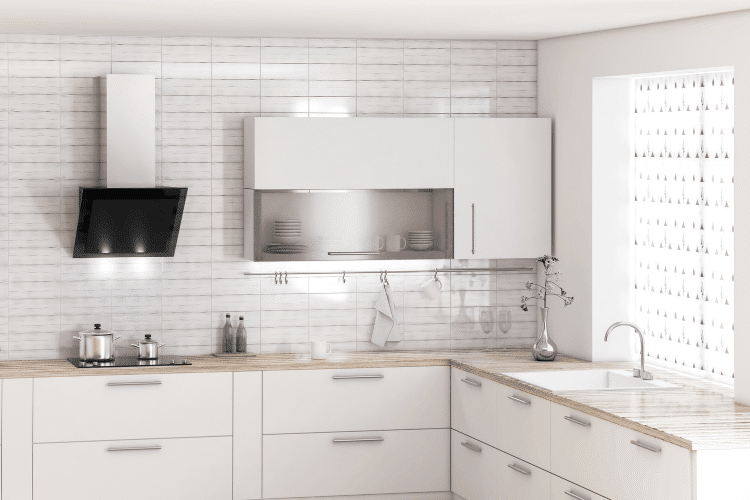
Whether in a family home or a preschool setting, the kitchen is often the heart of daily routines. It’s where snacks are prepared, science experiments happen, and children learn early life skills like washing hands or helping with simple recipes. A beautiful kitchen is only as good as it is functional, especially when little helpers are involved.
Investing in high-quality materials and fixtures ensures that your kitchen is safe, efficient, and long-lasting. From sinks and countertops to range hoods, every element should support easy cleanup, accessibility, and durability. Copper accents are a perfect example of where form meets function. They are naturally antimicrobial, resilient, and easy to maintain—ideal qualities in spaces used by young children.
A statement copper sink or a sleek range hood can elevate a practical kitchen into a warm, inviting space that feels special without being fragile. Brands like CopperSmith offer beautifully crafted products that blend artisanal charm with high performance, making them well-suited for busy family homes and early learning environments alike. These thoughtful touches can transform everyday moments—like washing hands or preparing snacks—into meaningful rituals.
Creating Child-Friendly Gathering Spaces
For parents and teachers, shared spaces are about connection. Dining tables double as art stations, homework hubs, and places for conversation. These areas should invite children to linger, explore, and feel comfortable.
Choose surfaces that are easy to wipe clean, chairs that fit small bodies, and lighting that feels warm rather than harsh. Copper pendant lights or subtle copper trim can add visual interest while maintaining a calm, cozy atmosphere. When paired with soft textures and neutral tones, these accents help create spaces that feel both nurturing and refined.
Supporting Creativity in Every Room
Children learn best in environments that encourage exploration. Whether it’s a corner of a classroom or a craft table at home, creative spaces should be flexible, durable, and easy to organize.
Select furniture and materials that can handle glue, markers, and curious hands. Copper accents—such as a lamp, storage bin, or desk detail—can enhance these areas with warmth and resilience. Copper’s reflective qualities also help brighten workspaces, making them both practical and inspiring for young learners.
Practical Design for Busy Bathrooms
Bathrooms in homes and schools see constant use. Materials must be easy to clean and built to last. Copper sinks or fixtures offer both beauty and practicality, transforming a simple bathroom into a calm, welcoming space for children learning hygiene routines.
Copper’s natural patina adds character over time, making wear feel intentional rather than worn out. Pair it with soft colors, wood tones, and gentle lighting to create a serene environment that encourages independence and comfort.
Choosing Timeless, Child-Friendly Materials
Preschool classrooms and family homes benefit from materials that endure. Copper is resilient, versatile, and timeless. Unlike trendy finishes that quickly feel outdated, copper evolves gracefully and remains appealing for decades.
By choosing high-quality pieces, you create environments that grow alongside your children. Durable surfaces, sturdy fixtures, and thoughtfully designed spaces allow teachers and parents to focus on what matters most: nurturing curiosity, connection, and comfort.
Simple Tips for Using Copper in Learning Spaces
- Start Small: Introduce one or two pieces, such as a copper sink or lamp.
- Mix Materials: Pair copper with wood, soft fabrics, or matte finishes for balance.
- Embrace Patina: Let copper age naturally for warmth and character.
- Think Safety First: Choose rounded edges and sturdy installations.
- Use Neutrals: Soft colors help copper feel warm, not overwhelming.
Designing Spaces That Grow With Children
The most meaningful spaces reflect the lives lived within them. For teachers and parents, that means creating environments where children can explore, create, and feel secure. By blending functional design with warm copper accents, you craft spaces that support learning and family life while standing the test of time.
Simple upgrades—a copper-accented faucet, a durable sink, or a well-designed light fixture—can dramatically improve how a space feels and functions. These touches bring longevity, elegance, and joy to everyday routines.
Conclusion: Where Learning Meets Design
Incorporating copper into homes and classrooms is more than a design choice—it’s a way to harmonize beauty and practicality in spaces shaped by children. From kitchens to craft areas, bathrooms to gathering tables, copper adds warmth, durability, and timeless appeal.
By choosing pieces that serve both a functional and aesthetic role, parents and educators can create environments that nurture young minds, encourage creativity, and make everyday moments feel special.