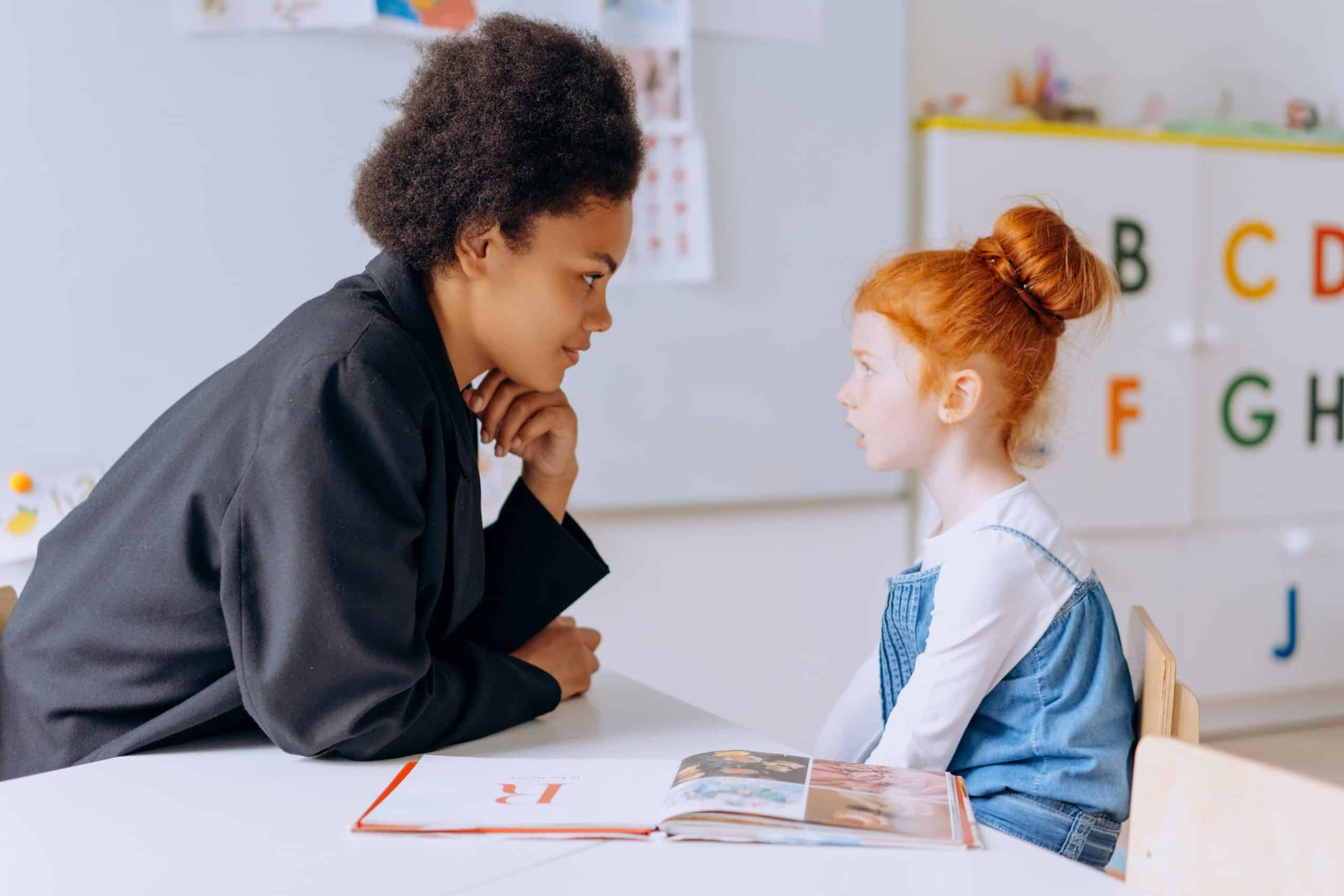
A three-year-old melting down over the wrong colored cup is not being difficult on purpose. Their brain is still building the wiring that connects a rush of feeling to the words that describe it, and that takes years to finish. The good news is that you do not need charts, timers, or a loud correction to help. Some of the most effective emotional teaching happens quietly, in small everyday moments, through the way you name feelings, stay calm, and offer gentle tools a young child can actually use. This slower approach respects how preschoolers learn and builds skills that outlast any single tantrum.
Why a Calm, Quiet Approach Works Best
Preschoolers borrow their sense of safety from the adults around them. When a big feeling hits and the grown-up stays steady, the child learns that emotions are survivable and that help is nearby. There is a practical reason to stay quiet, too. The more emotional an adult’s reaction is in these moments, the more likely the child’s behavior is to continue. A calm response gives the situation less fuel.
The techniques below work just as well at the kitchen table as they do in a daycare room, preschool, or even college, where consistent guidance and later custom nursing essay writing service helps young children name what they feel. Once a child can label an emotion, they are already partway to managing it, because naming shifts the experience from a mysterious storm into something with edges and a word attached.
Quiet teaching also fits how preschoolers absorb information. They learn by watching and imitating, so a soft voice, a slow breath, and a simple sentence land far better than a lecture about behavior.
Start by Naming Feelings Out Loud
The single most powerful habit you can build is narrating emotions as they happen, both yours and theirs. There is a reason the common advice to “use your words” so often falls flat. Toddlers and preschoolers are frequently told to use their words at the exact moment they lack the words to describe what they feel. Your job is to supply those words for them.
When you say “You look really frustrated that the tower fell down,” you hand the child a label for the feeling flooding their body. Put the feeling directly into a simple sentence, such as telling a child they felt angry when a sibling took their paintbrush. Repeated over time, this teaches children to name and eventually manage emotions on their own.
Keep it short and matter of fact. You are not trying to fix the feeling or talk them out of it. A helpful reframe is that feelings are not good or bad, they simply are, which takes the pressure off both you and the child. A few things make naming more effective:
- Match your face and tone to the feeling so the word and the expression line up
- Name the feeling before you name the behavior, so the child feels understood first
- Avoid adding “but” or a lesson right away, since that turns a moment of connection into a correction
Use Quiet Tools That Don’t Overwhelm
Big emotions live in the body, so the best calming tools are physical and sensory rather than verbal. A stressed preschooler cannot access reasoning while their heart is pounding, so help their body settle first and talk later. Introduce these tools during calm moments so they are familiar before a hard one arrives:
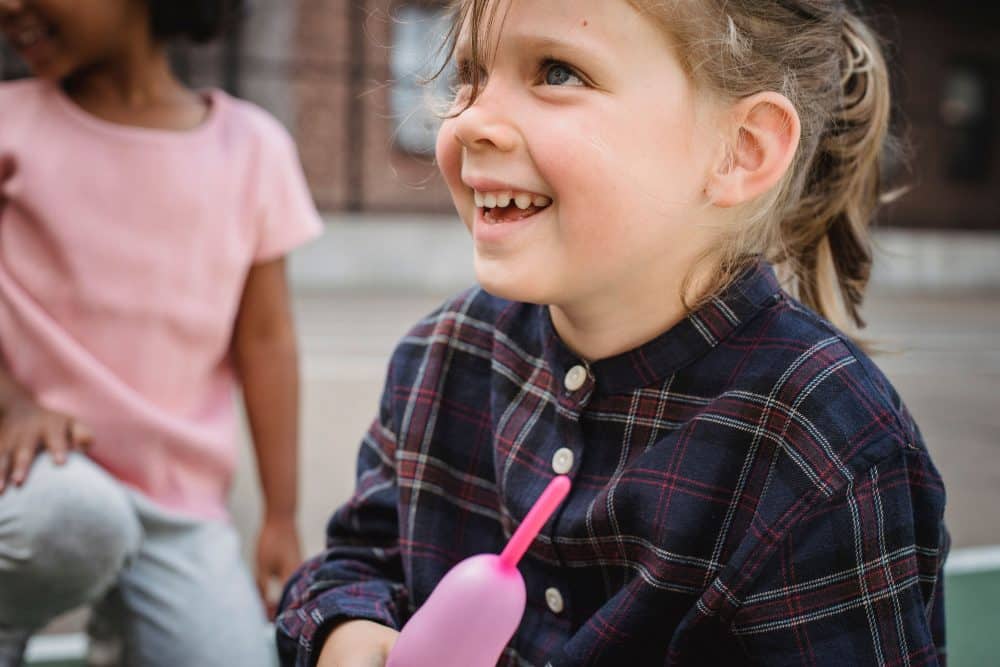
- A breathing trick like smelling a flower and blowing out a candle, using their own hands as props
- A soft object, small weighted toy, or favorite stuffed animal kept in a predictable spot
- A quiet corner with pillows and a couple of books where a child can go by choice, never as punishment
- A feelings chart with simple faces they can point to when words are hard to find
Introduce one tool at a time. Preschoolers get overwhelmed by too many options, and a single well-practiced strategy beats a shelf full of gadgets they have never used calmly.
Build Emotional Vocabulary Through Play
Play is a preschooler’s natural language, which makes it the perfect place to practice emotions without pressure. The explosion of pretend play around age two, describing it as a critical part of development that builds language, thinking, and social skills. That same pretend play is a safe rehearsal space for feelings.
You can gently steer it by voicing a toy’s emotions out loud. “Oh no, teddy is nervous about his first day. What could help him feel brave?” This invites your child to become the helper, which strengthens both empathy and problem solving, and a child is far more open to solutions when the feeling belongs to a bear rather than to them.
Books work the same magic. Reading stories where characters face frustration, sadness, or worry gives you natural openings to pause and ask how a character feels, and those small conversations quietly build a rich emotional vocabulary.
Create a Predictable Rhythm Around Big Feelings
Preschoolers feel safest when they know what comes next, and that extends to emotional moments. If your child learns that a meltdown is always met with the same calm sequence, the routine itself becomes soothing: stay close, name the feeling, offer the calm-down corner, and reconnect once the storm passes.
It helps to know what you are building toward. CASEL organizes the broad idea of “emotions” into five teachable competencies, and two map directly onto this work. Self-awareness is the ability to recognize your own emotions and how they shape your behavior, which is exactly what you nurture every time you name a feeling. Self-management is the ability to regulate those emotions, delay gratification, and handle stress, which is what your calm-down tools and routines are quietly rehearsing. These skills apply from early childhood onward, so the small habits you build now feed competencies your child will use for life.
Consistency matters more than perfection. You will lose your patience sometimes, and that is fine. Repairing afterward, by admitting you got loud and offering to try again, actually models an advanced emotional skill: that relationships can bend and recover.
Let Go of the Idea of a Quick Fix
The hardest part of teaching preschoolers about emotions is accepting how long it takes. You may name the same feeling a hundred times before your child names it back to you unprompted. That is not failure, it is exactly how young brains learn, through gentle repetition layered over months and years. It is also worth the patience. Self-regulation, a child’s ability to manage their full range of emotions, is one of the strongest predictors of success in school, work, and relationships over the long term.
Measure progress in small signs rather than perfect behavior. Maybe your child recovers a little faster, points to a feelings chart instead of screaming, or comforts a sibling with a word they learned from you. These quiet wins are the real evidence that your steady teaching is working.
Big emotions are not a problem to eliminate but a normal part of growing up. When you meet them calmly, name them clearly, and offer simple tools, you are not just ending a tantrum. You are handing your child a lifelong ability to understand themselves, one quiet moment at a time.
Loved this craft? More printable fun in the shop:
Browse the full shop•Complete Alphabet Bundle — $24.97•Uppercase Alphabet Crafts — $14.97